Improving the energy efficiency of buildings is a neat and effective way for Europe to meet both its geopolitical and domestic targets. As demonstrated at a high-level forum in Slovakia, Central and Eastern Europe has the potential to lead the fight against leaky infrastructure.
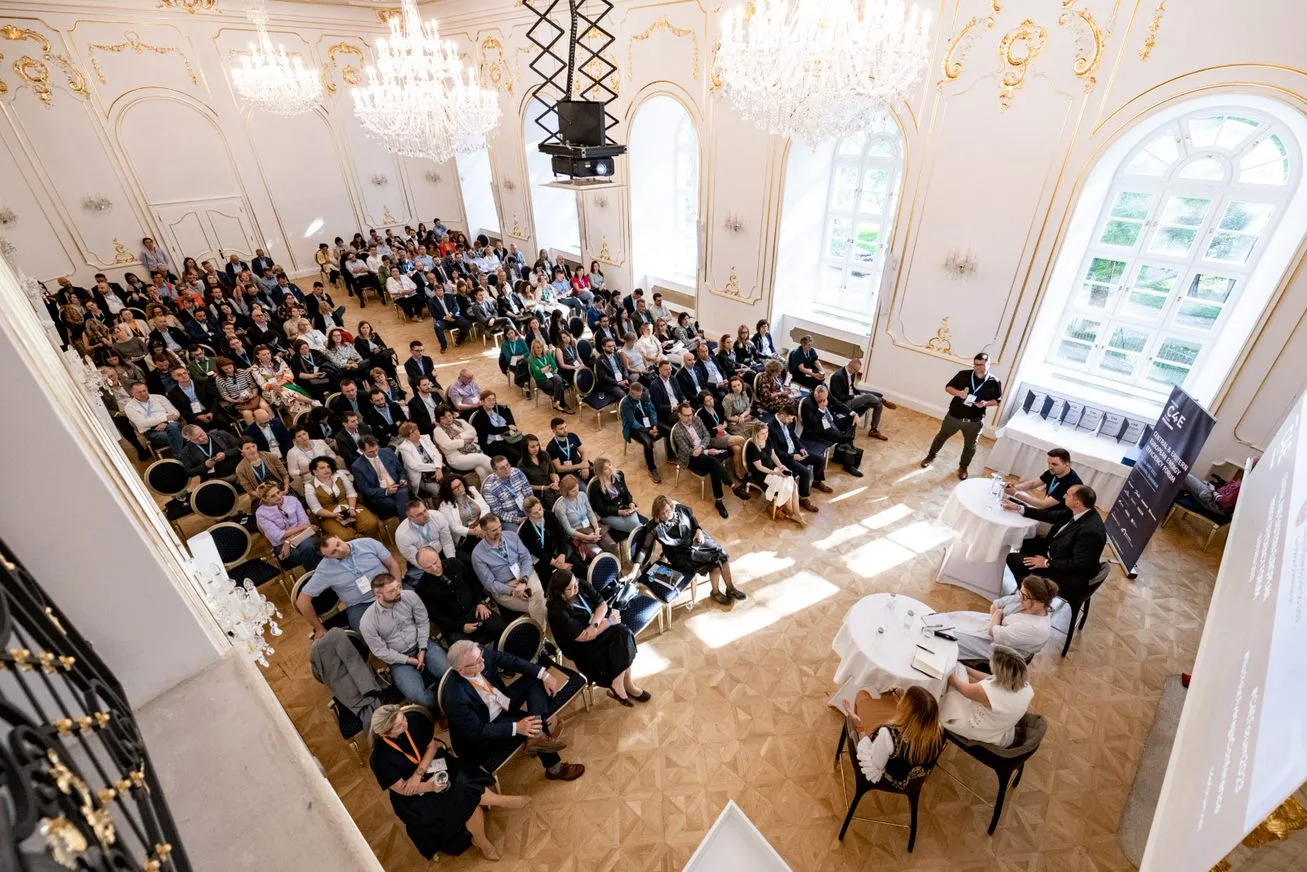
During the latest edition of the Central and Eastern European Energy Efficiency (C4E) Forum between 23 and 26 May, the future of Europe’s entire building sector was front and centre as delegates discussed how best to use renovations to tackle geopolitical challenges.
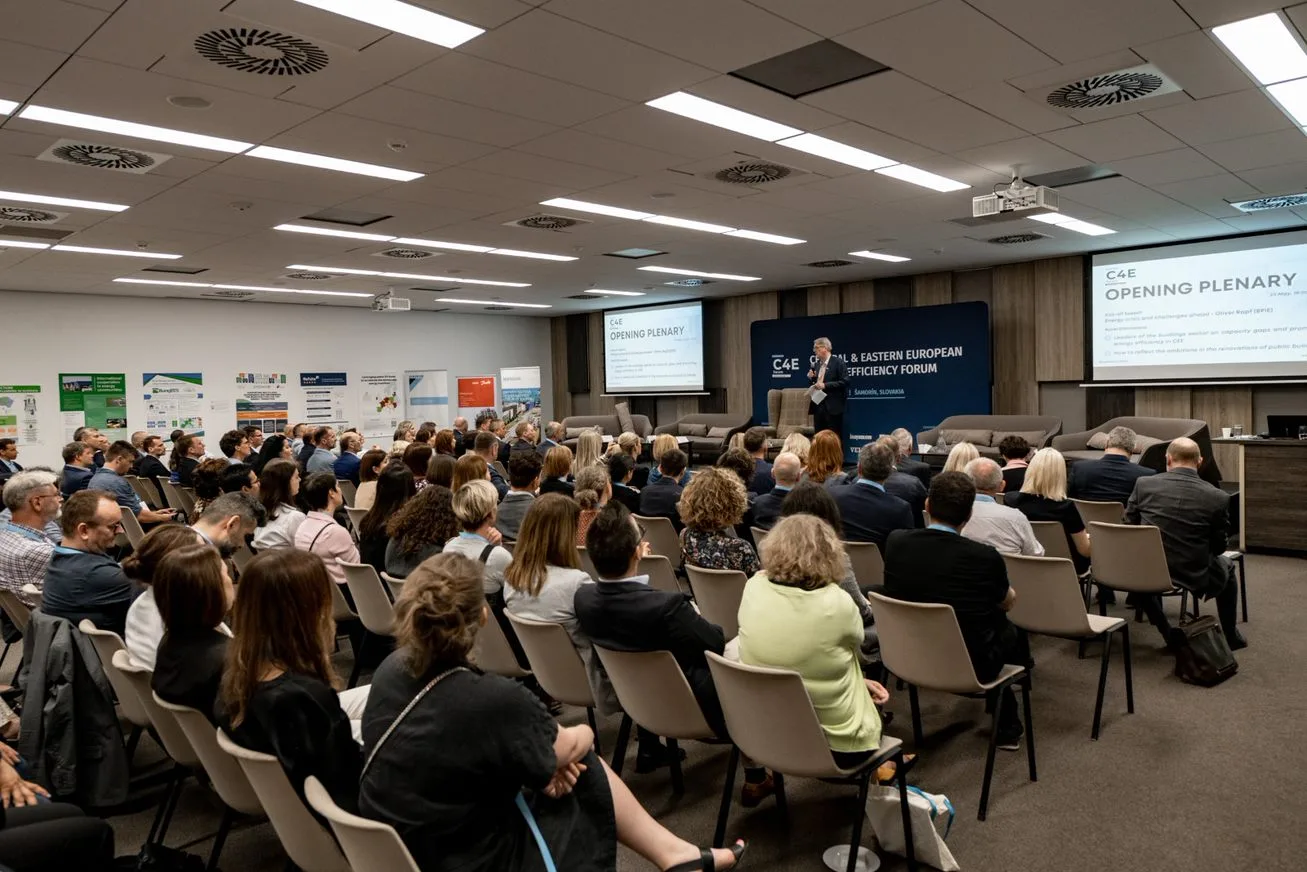
The X-Bionic Hotel and conference centre in Šamorín, Slovakia, was the perfect venue for what was billed as “not your average conference”, as the sports and leisure complex is a fully renovated former sanatorium.
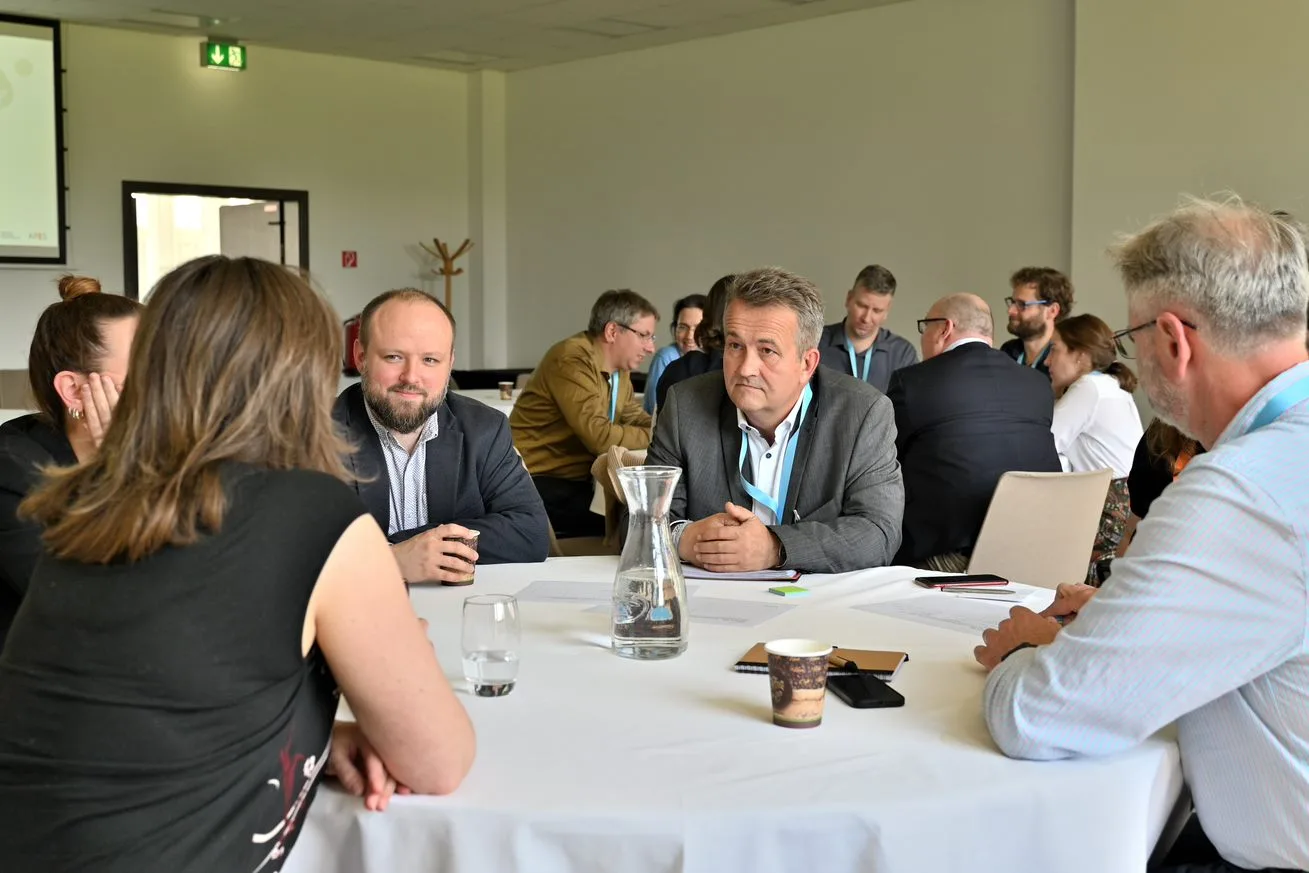
A bona fide local success story that is home to the Slovakian Olympic team, the venue played host to three days of plenaries, seminars, and informal chats, all aimed at solving some of the sector’s major problems and unlocking its full potential.
Following Russia’s illegal invasion of Ukraine, energy security has rocketed up the political agendas of governments across Europe. Even though supply-side measures have dominated policy responses, the debates at the C4E Forum demonstrated that it is now imperative to give priority to demand-side measures.
Given that buildings soak up 40% of energy demand and produce more than a third of the EU’s emissions, improving their performance is seen as a win-win for climate, energy, foreign, and social policy goals.
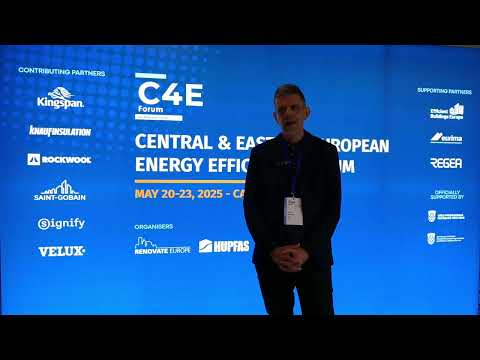
At the C4E meeting, Slovakian President Zuzana Čaputová, patron of the event, weighed in with a video message to outline how important her country considers improvements to the energy performance of buildings.
In Slovakia, in the next few years, we will spend a huge amount of resources on rebuilding our economy and making it more resilient. The energy efficiency of our buildings is among our top priorities.
Zuzana Čaputová
The topics and areas of discussion ranged from high-level geopolitical considerations, such as how best to support Ukraine’s ongoing reconstruction efforts, to practical know-how that authorities can use to better design and implement renovation programmes.
The latter includes best practices for upgrading multi-apartment buildings, tips on how to use data to maximise renovation effectiveness, and insights into how the labour market will have to evolve to meet new demand.
Talks also centred on sharing best practices, know-how, standards, and financial aid for Ukraine’s reconstruction. Industry representatives showed a particular willingness to do more to help the invaded country.
Getting the politics right
The European Union is updating the Energy Performance of Buildings Directive (EPBD), which governs much of what the sector is trying to achieve in the coming years. Talks between the European Parliament, Council, and Commission kicked off in June, shortly after the C4E Forum.
EU-wide elections in June 2024 and Spain’s decision to trigger a snap election in July 2023, right at the start of the country’s rotating EU presidency, meant the EPBD talks risked being dragged down by electioneering.
There was a lot of work to get through to craft a compromise deal on the EPBD, including requirements for zero-energy buildings (ZEBs), which buildings should be targeted by minimum energy performance standards (MEPS), and how to rescale energy performance certificates (EPCs).
At the C4E Forum, delegates from industry, civil society, and academia urged policymakers to push for the maximum ambition possible in the EPBD reform and to do the same when implementing the rules.
MEPS have the potential to be a game-changer if this instrument is properly implemented. What is important is how the worst performing buildings will be identified and what support will be available.
Jana Bendžalová, ENBEE
Forum attendees also urged public authorities to defuse the risk that electioneering and politicking poses to renovation programmes by ensuring schemes are long-lasting beyond government terms and renewal decisions are made well ahead of final deadlines.
Looking after our heritage
One of the most prevalent myths linked to the EU’s Renovation Wave concerns old heritage buildings and the supposed requirements that the EPBD would impose on those structures.
Heritage buildings can be exempted from renovation criteria, and there are no obligations on either authorities or property owners to retrofit heritage-listed structures, contrary to misreporting that has wrongly claimed they would have to be demolished.
Although there is no obligation, it is still possible to improve the energy performance of buildings from the past. A castle near the C4E Forum venue, in the town of Pezinok, is a testament to that.
Originally hailing from the 13th century, the castle was rebuilt over the years and eventually purchased by local winegrowers, who added a winery and hotel to the complex. A recent renovation means it is now an A-rated building.
The castle was also the venue for the C4E Champion Award, an accolade granted to the Central and Eastern European public official who has made the most significant contribution to energy efficiency in buildings within their jurisdiction.
Jan Kříž, a deputy environment minister in the Czech government, was the 2023 champion, impressing the judges with his long track record of overseeing large-scale renovation programmes and ensuring an even geographical spread of renovated buildings across his country.
Making small innovations every year rather than deep changes is the reason behind the success of our programmes.
Jan Kříž
The Czech official made the point during his video acceptance speech. In the job since 2007, Kříž has been able to call on vast experience when making key decisions on issues such as subsidy levels, yielding impressive results that officials in other countries have been urged to learn from.
Crucially, Kříž has acted as a constant contact point under successive ministers, ensuring stability for renovation programmes and preventing the issue from being over-politicised, one of the most damaging risks such schemes can face.
That was one of the main points delegates took away from the forum: renovation schemes need time to be established and start working, so they need to be designed to survive election cycles. As Europe headed into a busy voting period culminating in the June 2024 EU elections, it was a mantra worth remembering.
Resources

Written by Sam Morgan
Sam Morgan is a Brussels-based climate and energy journalist covering the EU institutions, European politics, climate, energy, and more.
His work has been featured in international and national media outlets, in print magazines, and on YouTube. He also has experience moderating high-level events with senior politicians and public figures.
Visit Sam Morgan’s website or follow Sam Morgan on X.