Category: News

Event announcements, conference updates, recaps, and organisational news.

  • LIFE shows the path to energy efficiency at C4E Forum

    LIFE shows the path to energy efficiency at C4E Forum

    For the second time CINEA was present at the C4E Forum. This time the networking possibilities were also strengthened by organising the Knowledge Hub, a marketplace for projects and case studies.

    A summary of the LIFe presence at the C4E Forum 2025 was published here initially and you can read a reprint below:

    Teams from more than 20 LIFE projects shared their knowledge about how to make Europe’s buildings more energy efficient for a greener, more secure future.

    Improved energy efficiency in Europe’s buildings will lower bills, cut carbon emissions and boost the EU’s autonomy, a major conference attended by more than 20 LIFE projects heard.

    The Central and Eastern European Energy Efficiency (C4E) Forum 2025, held in Cavtat, Croatia, on 20-23 May, focused on reducing the energy required to heat, cool, light and power buildings across the region. Several LIFE projects were there to showcase their work and contributions towards this goal.

    ‘The energy efficiency potential of the building sector is massive’, Dubravka Šuica, European Commissioner for the Mediterranean, told the conference in a video address. ‘Lower energy consumption means a higher level of energy security. It has a geostrategic advantage having to import less energy. This strengthens our autonomy and our economic stability’.

    Refurbishing existing infrastructure will be crucial if EU Member States are to meet the target of completely decarbonising their buildings by 2050, as set out in the Energy Performance of Buildings Directive (EPBD) and the revised Energy Efficiency Directive (EED). According to Adrien Bullier, a senior project advisor at the European Commission’s Climate, Infrastructure and Environment Executive Agency (CINEA), meeting the 2030 energy efficiency targets will require additional investments of €165 billion per year, a large share of which will be dedicated to building renovation. 10-20% of that investment can be expected to come from public funding, he said — but the rest will have to be met by the building owners, mostly through commercial lending. Public funding will need to be increasingly targeted to low-income households and to facilitate access to loans.

    Against this backdrop, initiatives that foster collaboration between key stakeholders are becoming ever more vital. The LIFE SMAFIN Expanded project hosted a session on creating smart financing solutions for energy efficiency renovations. ‘SMAFIN Expanded creates structured national dialogues that connect policymakers, financiers and experts in Bulgaria, Croatia, Greece, Romania and Slovenia,’ said Alice Corovessi, managing director of Greek non-profit project partner INZEB.

    Property owners can get support for designing, financing and implementing energy renovations from ‘one-stop shops’ established under the EED and EPBD. LIFE Renov-AID held a workshop how they are simplifying, accelerating and scaling up energy-efficient home renovations in Slovenia. The project operates pilot projects in Ljubljana, Kranj and Velenje aimed at simplifying energy efficiency improvements for homeowners but they face challenges including fragmented supply chains, workforce shortages and a lack of stable financing mechanisms. LIFE heritageHOME also presented its one-stop shop which supports retrofitting historical buildings in Estonia.

    Also taking part in C4E was LIFE CEESEN-BENDER, which works with vulnerable homeowners and tenants living in apartment buildings across Croatia, Slovenia, Estonia, Poland and Romania. ‘By developing tailored renovation roadmaps, training energy professionals and building managers, and advocating for policy change, the project creates the foundation for a fair, inclusive and energy-efficient transformation of the building stock,’ said Matija Eppert, a senior expert at the Society for Sustainable Development Design in Croatia, which is leading the project.

    All the LIFE projects taking part in C4E Forum 2025, which also included ENSMOV plus, Enefirst Plus, SEED MICAT, CoolLIFE, CETAC, One stop shop, GEAR-UP, CROSSFIT, EPBD.wise, INSPIRenov, streamSAVE+, SMAFIN, Regio1st, ComActivate, DiVirtue, nZEB Ready, contribute to the Energy Performance of Buildings Directive, the revised Energy Efficiency Directive and the goals of the European Green Deal
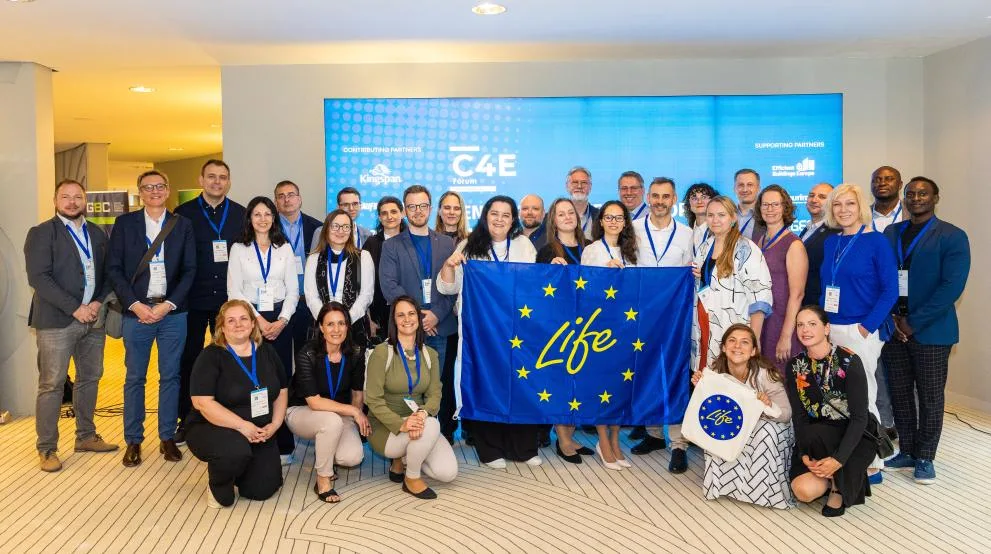
    Representatives from LIFE projects gathered at C4E Forum 2025.
  • Show me the money – how to finance the energy renovation of our buildings

    Show me the money – how to finance the energy renovation of our buildings

    Day THREE Focuses on Finance

    Energy renovation of buildings in Europe must be done. The directives and plans clearly state how many buildings we must restore, in what way and how much. But who will pay for it? At the Financing energy renovation panel discussion, it was stated that around 1.5 trillion euros need to be invested by 2030. To boost energy renovation, indeed, a concerted effort is needed, with private financing supporting public funding.

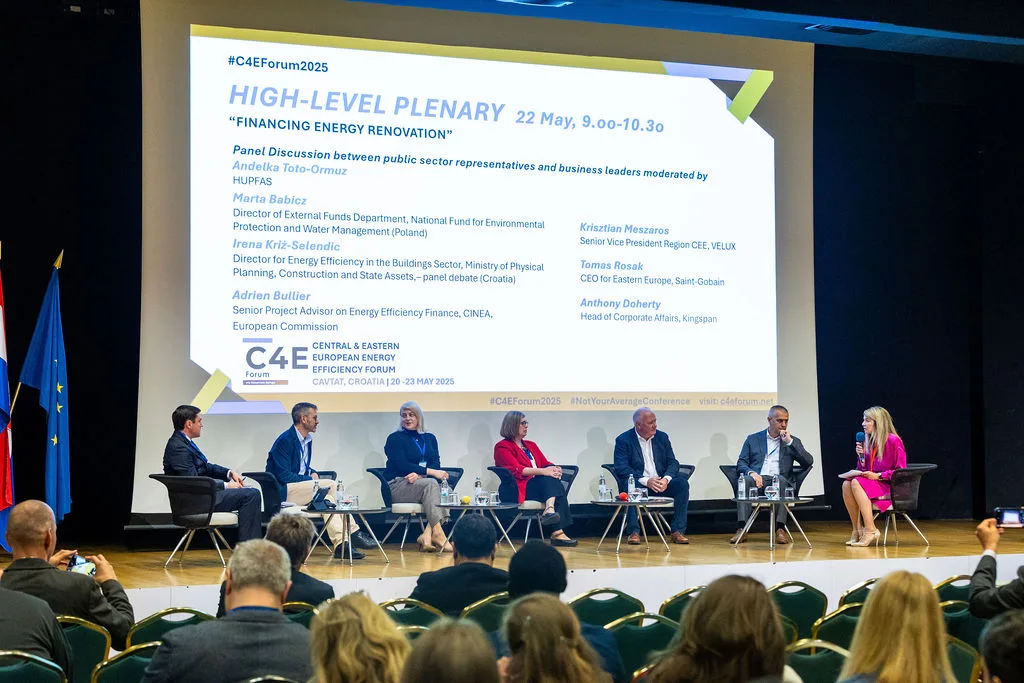
    The panel discussion was attended by Marta Babicz, Director of External Funds Department, National Fund for Environmental Protection and Water Management, POLAND, Irena Kriż-Selendic, Director for Energy Efficiency in the Buildings Sector, Ministry of Physical Planning, Construction and State Assets, CROATIA, Krisztian Meszaros, Senior Vice President Region CEE, VELUX, Tomas Rosak, CEO for Eastern Europe, Saint-Gobain, Anthony Doherty, Head of Corporate Affairs, Kingspan and Adrien Bullier, Senior Project Advisor for Energy Efficiency Finance, CINEA. The discussion was introduced by Marko Zlonoga, Head of Buildings Department, REGEA, CROATIA, and moderated by Andelka Toto-Ormuz, HUPFAS.

    Financing energy renovation panel discussion at C4E Forum 2025.

    – Public money can cover a maximum of 20 percent of energy renovation. The remaining 80 percent must come from the private sector, whether it is property owners or private companies – said Adrien Bullier. He clearly emphasized that for every euro invested, at least five euros must come from the private sector.

    We must be very careful. Investing in energy renovation and decarbonization is not like investing in the stock market. Renovating buildings is much more than that. The prices of works and the return on investment—yes, they are important but not essential. The EPBD wants to push out the worst buildings and renovate them in terms of energy. Investing in energy renovation is not the same as investing in the stock market, but in people, said Bullier.

    The participants of the panel discussion are optimistic about the continuation of energy renovation, achieving the decarbonization goals, but it is clear to everyone that the deadlines are short and the challenges are great.

    – If we want to be successful, it is crucial to have a long-term plan so that everyone in this chain knows what is being done and what will be done. Public money makes up 20 percent of the total money for renovation, the rest comes from the private sector, from the owners. I believe that one of the good models is tax relief – said Krisztian Meszaros.

    In Poland and Croatia, they have developed numerous models of energy renovation, especially in terms of financing sources. So, in Poland they started using the tools of the Modernisation Fund, and in Croatia they are using several EU funds to combine earthquake-resistant renovation, energy renovation and green technologies.

    – In the last long-term strategies, we estimated that we need nine billion euros, the total value of renovation was estimated at 32 billion euros by 2030. That was before the price increase. We don’t have enough builders. We must calculate those numbers again – said Irena Kriż-Selendic. She warned that it is necessary, in addition to energy renovation, to also do structural renovation of the building because the lessons learned in Croatia after the earthquake are clear: buildings need to be comprehensively renovated to be safe for living.

    – This is harmful for the construction sector and energy renovation. The big problem is the dependence on public funding.

    Financing programs? In the last few years, there have been many programs to attract private money and loans with EU money. We have the possibility to launch guarantee schemes because banks do not have collateral when lending energy renovation. Loans and guarantees are key instruments. Credit lines are created – explained Bullier.

    – We have buildings, houses and public buildings. Private houses – poorer and richer. The richer ones will do the renovation. The poor will never rebuild the building by themselves. State financing is crucial for them. Buildings are a different story. Some countries have renovated most of the buildings, improved the quality of life. In some it is not like that. Why – how was ownership made? If the building is not constructed as a community, there is no money and no credit. Buildings are subject to local laws and regulations. Banks are eager to invest in such projects, there is no risk, there is a great financing potential. Public buildings – this is a third of all buildings in Eastern Europe. A strong focus must be on speeding up the reconstruction of public buildings – said Rosak.

    Overall, energy renovation of buildings will bring both opportunities and challenges for all EU member states, especially those in the CEE region. However, the participants of the C4E Forum conference will, with optimism, knowledge and experience, explore and advance the drive for energy renovation of the building sector.

  • C4E Forum 2025 – people who made the difference

    C4E Forum 2025 – people who made the difference

    Day two of C4E Forum 2025 focused on the people, policies, and practical work driving energy efficiency across Central and Eastern Europe, with 14 panel discussions, the C4E Champion Award Ceremony, and a Knowledge Hub for project exchange.

    Policy, practice, and people driving energy efficiency

    The second day of the Central and Eastern European Energy Efficiency Forum (C4E Forum 2025) delivered a packed agenda of 14 panel discussions. Decision-makers, public officials, business leaders, NGOs, and technical experts discussed the current landscape, key challenges, and actionable solutions for scaling up building renovations and decarbonisation across the region.

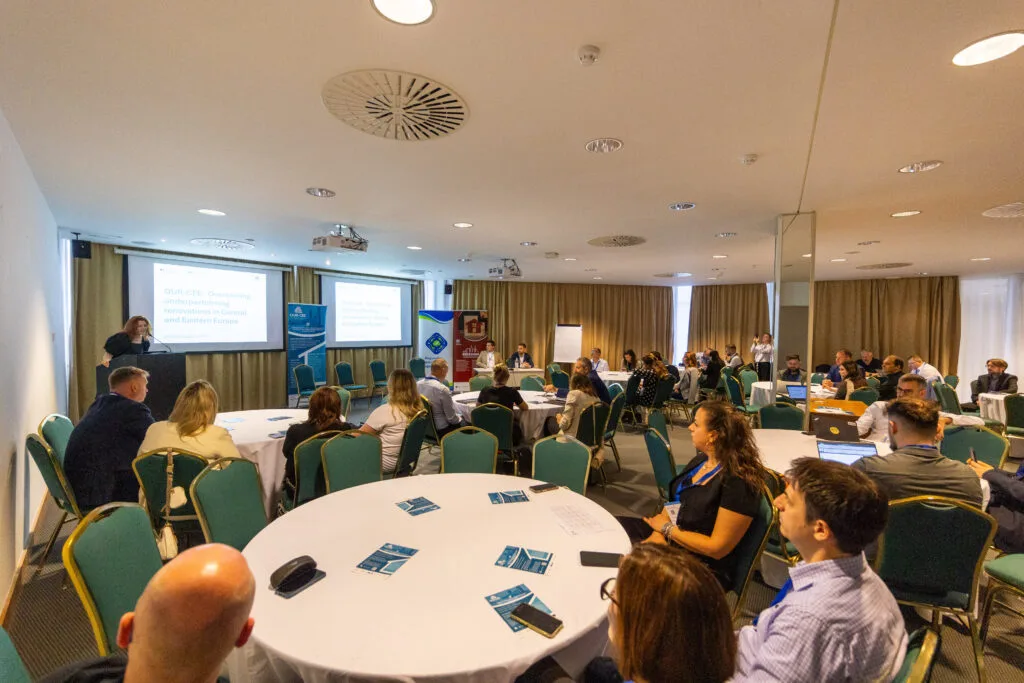
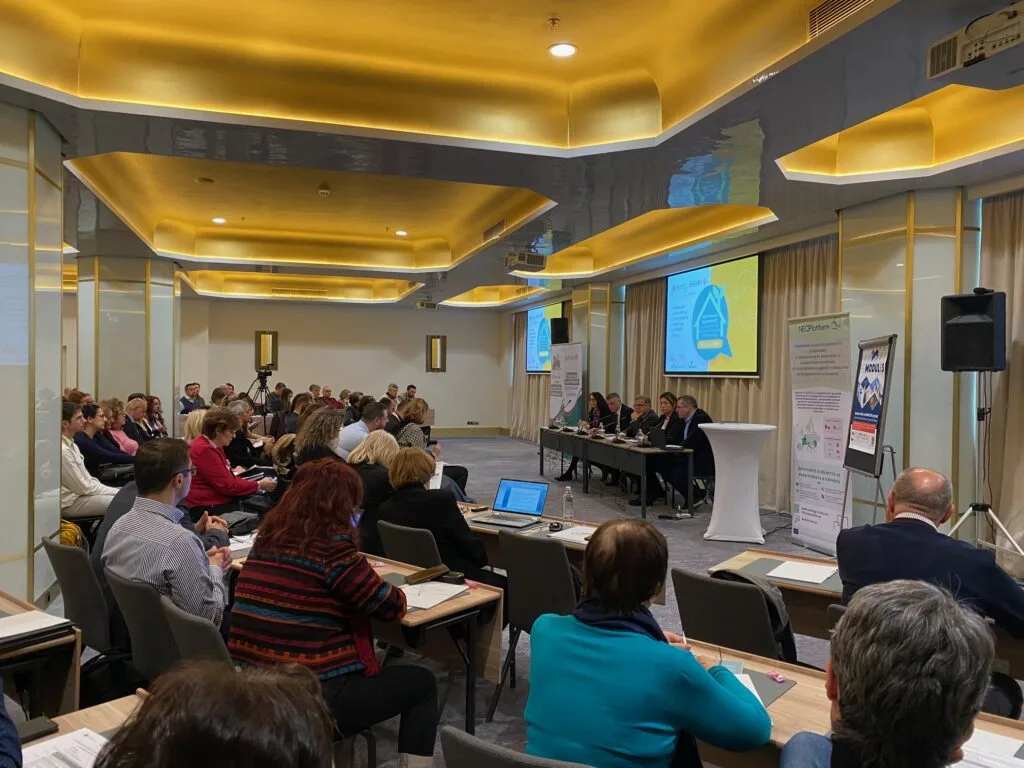
    Participants attending a C4E Forum 2025 panel session in Cavtat.
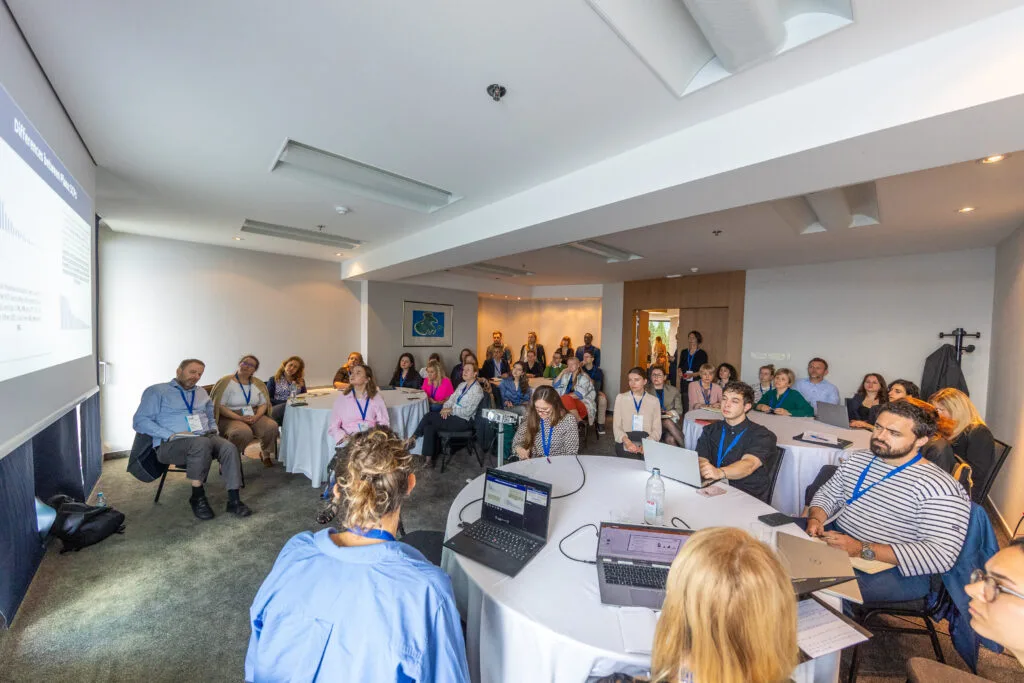
    C4E Forum 2025 attendees listening during a workshop session.

    Celebrating leadership: the C4E Champion Award

    The day concluded with the C4E Champion Award Ceremony, which honours exceptional public and elected local officials who have made significant contributions to advancing energy efficiency policy in their country or region. Held biennially by the Forum’s organisers, the award recognises leadership, innovation, and impact in public service.

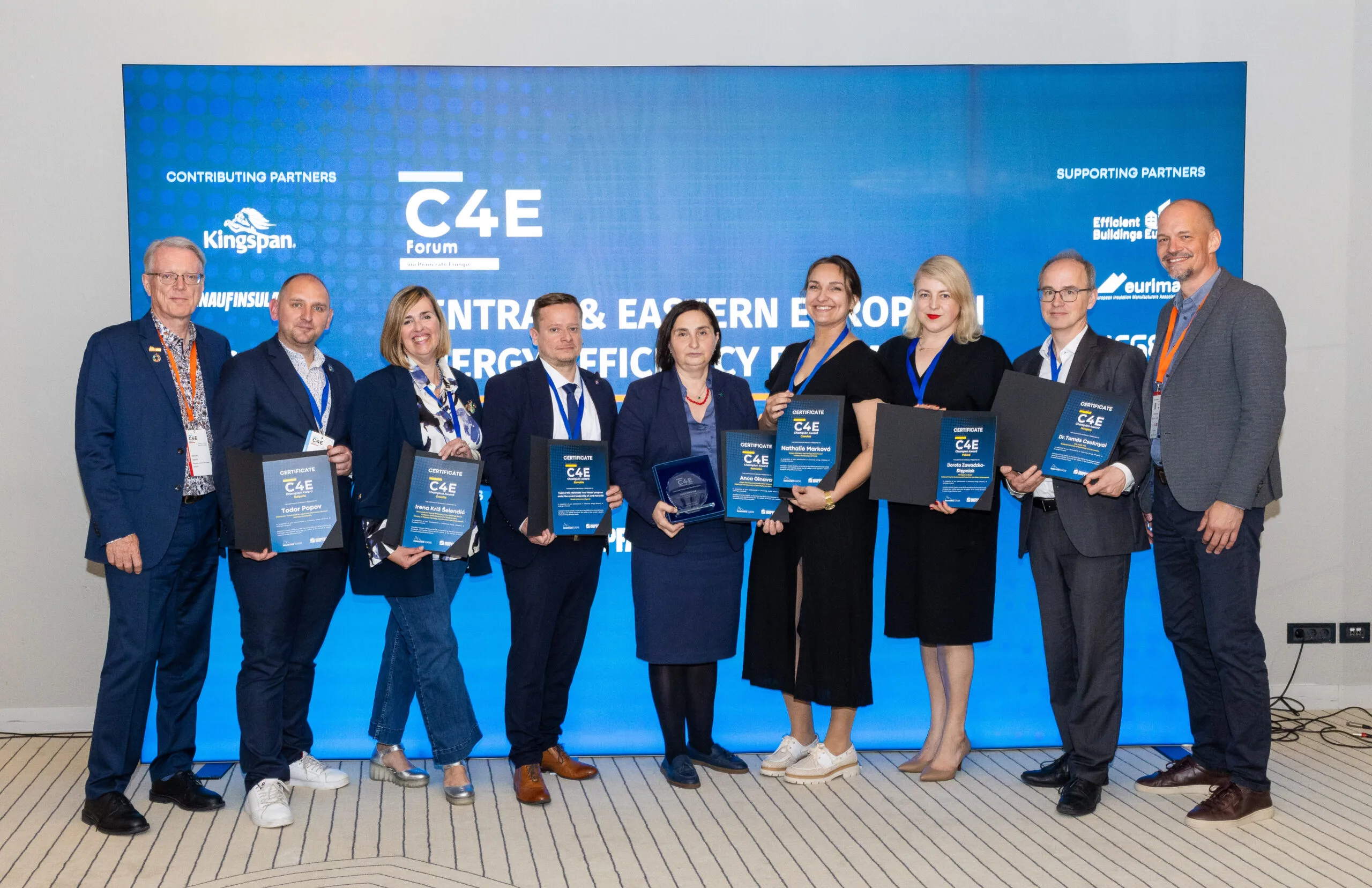
    This year’s edition recognised seven national champions, each representing a different country in Central and Eastern Europe. One laureate was further distinguished as the regional champion, reflecting an exemplary level of influence and dedication across borders.

    For her dedication to well-founded energy efficiency policies, her long civil service career, and her expertise on the Energy Performance of Buildings Directive, the 2025 Central and Eastern European Regional Award went to Anca Ginavar of the Ministry of Development, Public Works and Administration in Romania.

    This is like a lifetime achievement award, but I’m not retiring. I’m not going anywhere. Thank you all from the bottom of my heart.

    Anca Ginavar

    Receiving the Romanian jury award, Ginavar said the award was not only for her, but also for her small and dynamic team. She described it as an incentive not to give up, noting the challenges ahead and the importance of reconstruction funding that can improve life for Romanian citizens through better building stock.

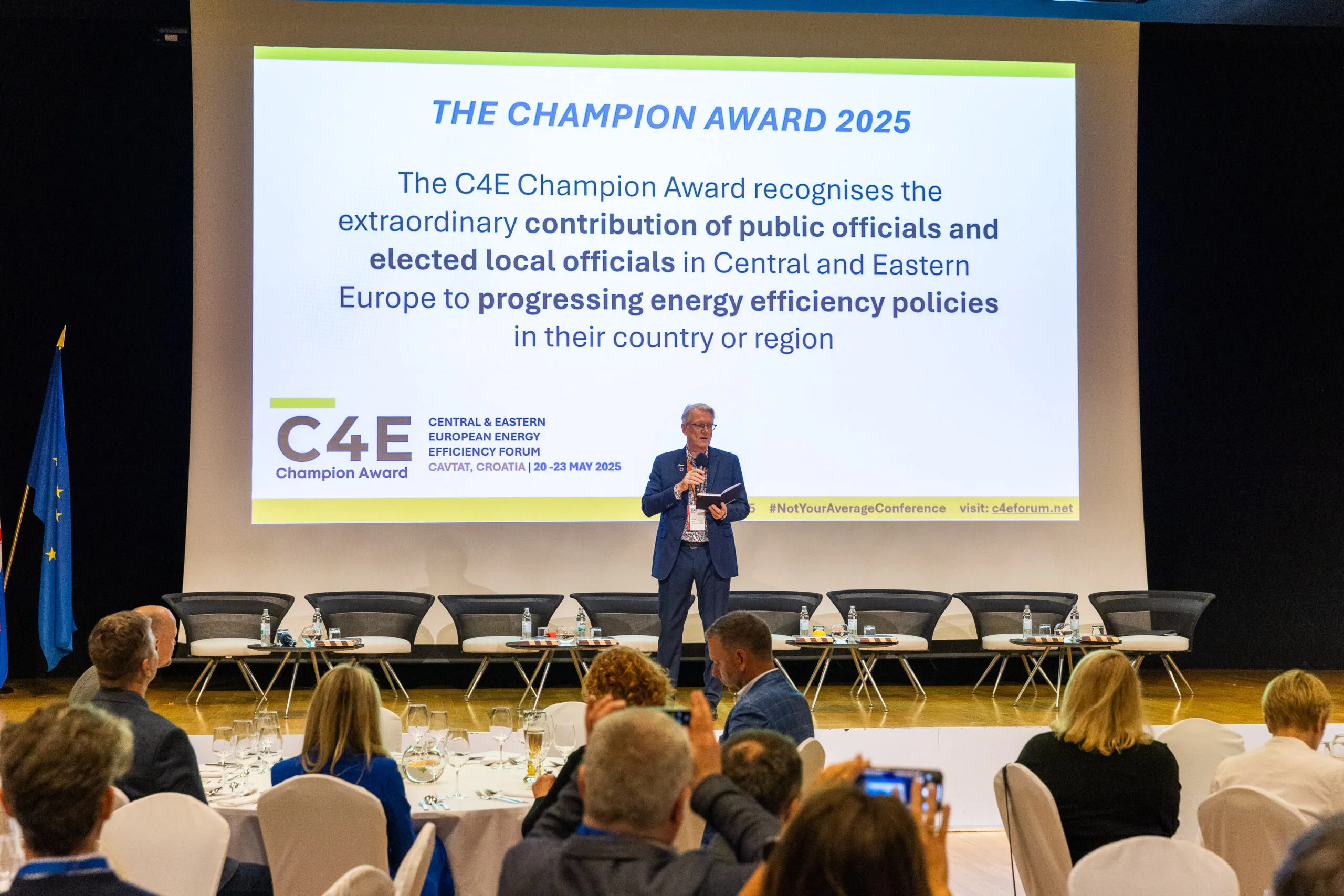
    Speaker introducing the C4E Champion Award 2025 on stage.
    The C4E Champion Award recognises public officials and elected local officials progressing energy efficiency policies in Central and Eastern Europe.

    Voices from the local champions

    • Todor Popov, Head of the Directorate “Administration, Legal, and Information Services”, Gabrovo Municipality, Bulgaria, said the award recognised the work being done and the opportunity to receive such an important honour.
    • Irena Kriż-Šelendić, Director for Energy Efficiency in the Buildings Sector at Croatia’s Ministry of Physical Planning, Construction and State Assets, said renovated hospitals, schools, and buildings are the greatest award.
    • Nathalie Marková, Director of the Energy Efficiency and Savings Department at the Czech Ministry of Industry and Trade, described the award as an appreciation of cooperation between the public and business sectors.
    • Tamás Csoknyai, Head of Department and Associate Professor at Budapest University of Technology and Economics, said the award was real feedback on the hard work behind energy efficiency in Hungary.
    • Dorota Zawadzka-Stepniak, President of the Managing Board of the Polish National Fund for Environmental Protection and Water Management, was represented by Marta Babicz, who emphasised sustainable solutions and building a sustainable future.
    • Juraj Moravčík, General Director of the Slovak Environment Agency, said the award recognised the work of his team.
    C4E Champion Award 2025 laureates holding certificates at the C4E Forum in Cavtat.
    Local C4E champions and award representatives at C4E Forum 2025.

    What the champions said the work requires

    • Persistence. Patience, independence, wisdom, and never giving up.
    • Learning. Being brave enough to admit mistakes and stay curious.
    • Communication. Continuing to work with people across institutions and sectors.

    Knowledge Hub 2025: a marketplace of ideas

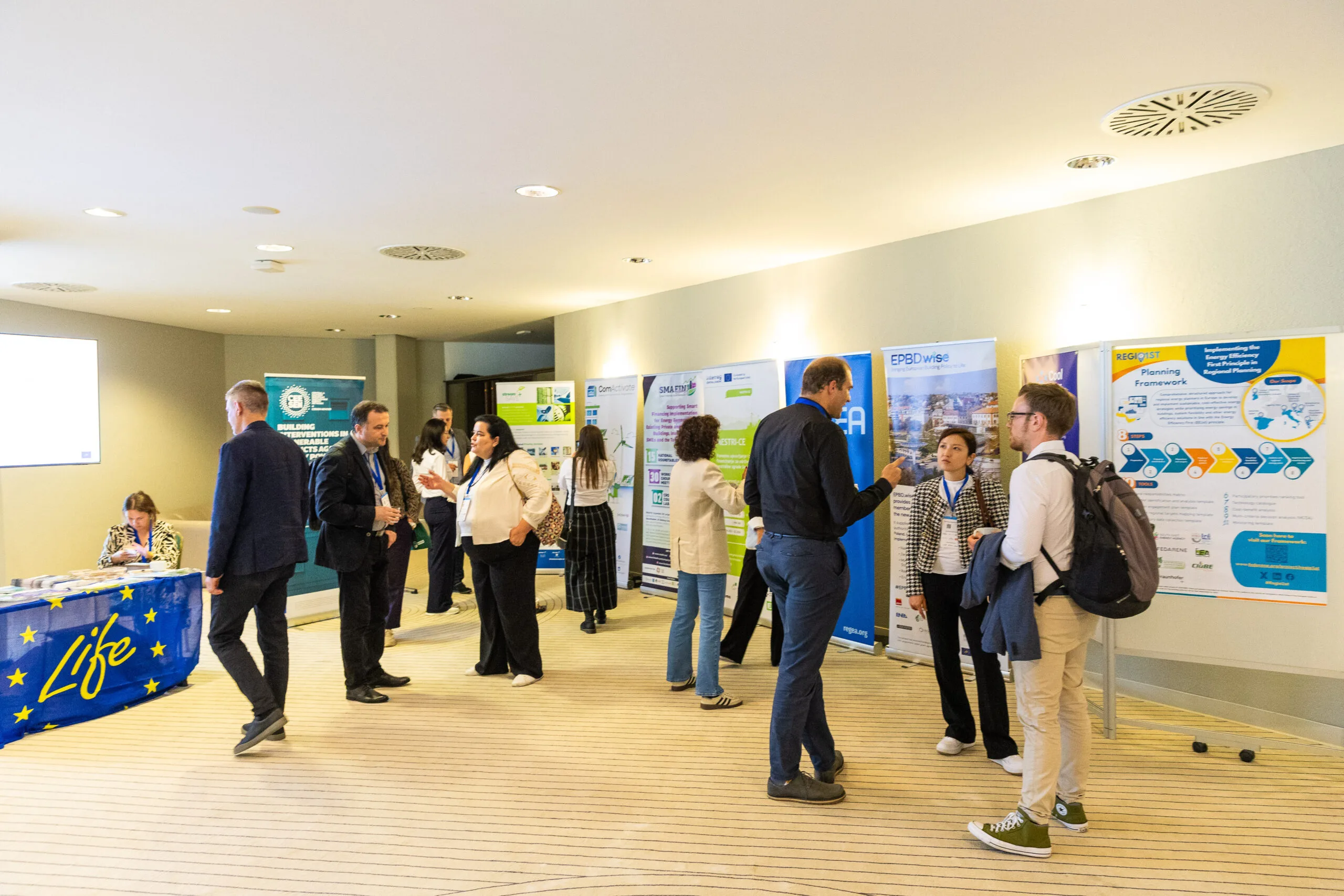
    This year’s edition also featured the interactive Knowledge Hub, a dedicated space for showcasing innovative projects and case studies. The poster session highlighted grassroots initiatives, EU-funded projects, and local solutions tackling deep retrofits, sustainable cooling, regulatory reform, and historic building renovation.

    Attendees could also explore the CINEA stand to learn more about funding and technical support opportunities under the European Commission’s LIFE Clean Energy Transition programme. With more than a dozen EU-funded initiatives on display, including EPBD.wise, CoolLIFE, and Renov-AID, the Knowledge Hub supported informal exchanges that complemented the formal sessions and encouraged collaboration across sectors.

    C4E Forum 2025 participants visiting Knowledge Hub project posters and LIFE programme stand.
    The Knowledge Hub enabled participants to exchange ideas around EU-funded initiatives and practical building renovation solutions.

    Meet the C4E Champions 2025

    Read more about the award and the champions recognised at C4E Forum 2025.

  • Private and public sector united – communication is the key to energy renovations

    Private and public sector united – communication is the key to energy renovations

    Commissioner Šuica: energy efficiency in buildings boosts jobs and innovation in a sustainable way

    C4E Forum 2025 Opens with Strong Focus on EPBD Implementation in Central and Eastern Europe

    The Central and Eastern European Energy Efficiency Forum (C4E Forum 2025) officially commenced today at Hotel Croatia in Cavtat, with a dynamic line-up of pre-conference events followed by a high-level Opening Plenary. The Forum brings together key stakeholders from 23 countries to drive forward the energy transition in the region, with a focus on the implementation of the revised Energy Performance of Buildings Directive (EPBD).

    At this large international conference, it was repeatedly emphasized that the EPBD is an extremely demanding regulation that will require a lot of preparation and little time. Namely, the member states have until the end of May next year to implement the directive into their national legislation.

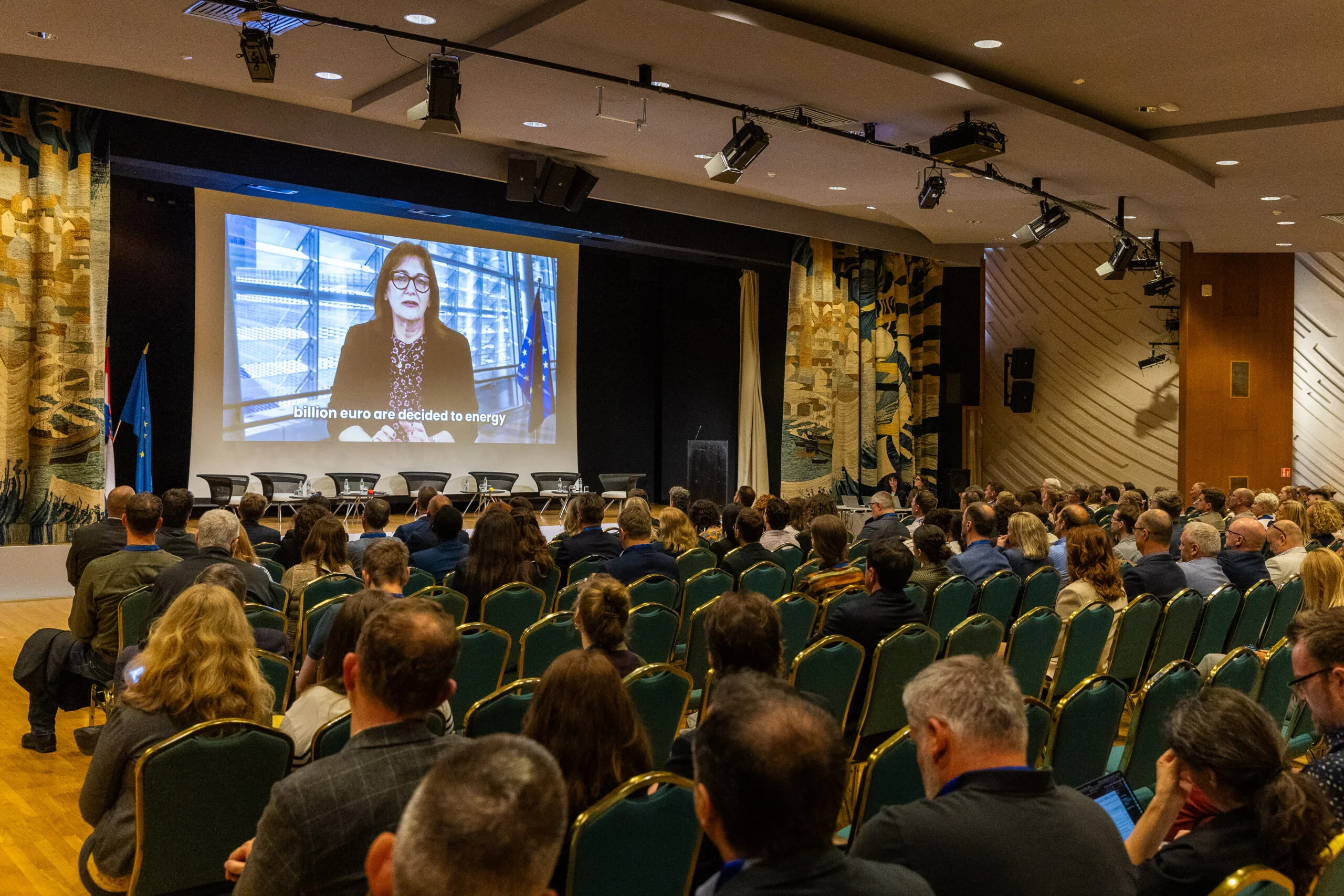
    C4E Forum 2025 opening plenary audience at Hotel Croatia in Cavtat.

    EU Commissioner Šuica set the tone for an impactful C4E Forum 2025

    The Forum’s Opening Plenary was centered around the theme of “Implementation of the EPBD”. The plenary underscored the pivotal role Central and Eastern European (CEE) countries play in achieving EU climate objectives through deep building renovations.

    In a video address, Dubravka Šuica, European Commissioner for the Mediterranean, emphasized the urgent need for all EU Member States, especially those in Central and Eastern Europe, to prioritize the transposition and implementation of the EPBD.

    The medium and long-term rollout of energy efficiency in buildings boosts jobs and innovation in a sustainable way. There is a clear timetable with clear targets. This gives governments, regional local authorities on the one hand and the market participants on the other hand the necessary security for planning and investment to be successful. Šuica she stated. She also said that a lower energy consumption means lower energy bills for homeowners, tenants, businesses and the public budgets.

    A lower energy consumption also means a higher level of energy security. It has a Geo strategic advantage having to import less energy. This strengthens our autonomy and our economic stability – highlighted Commissioner Šuica.

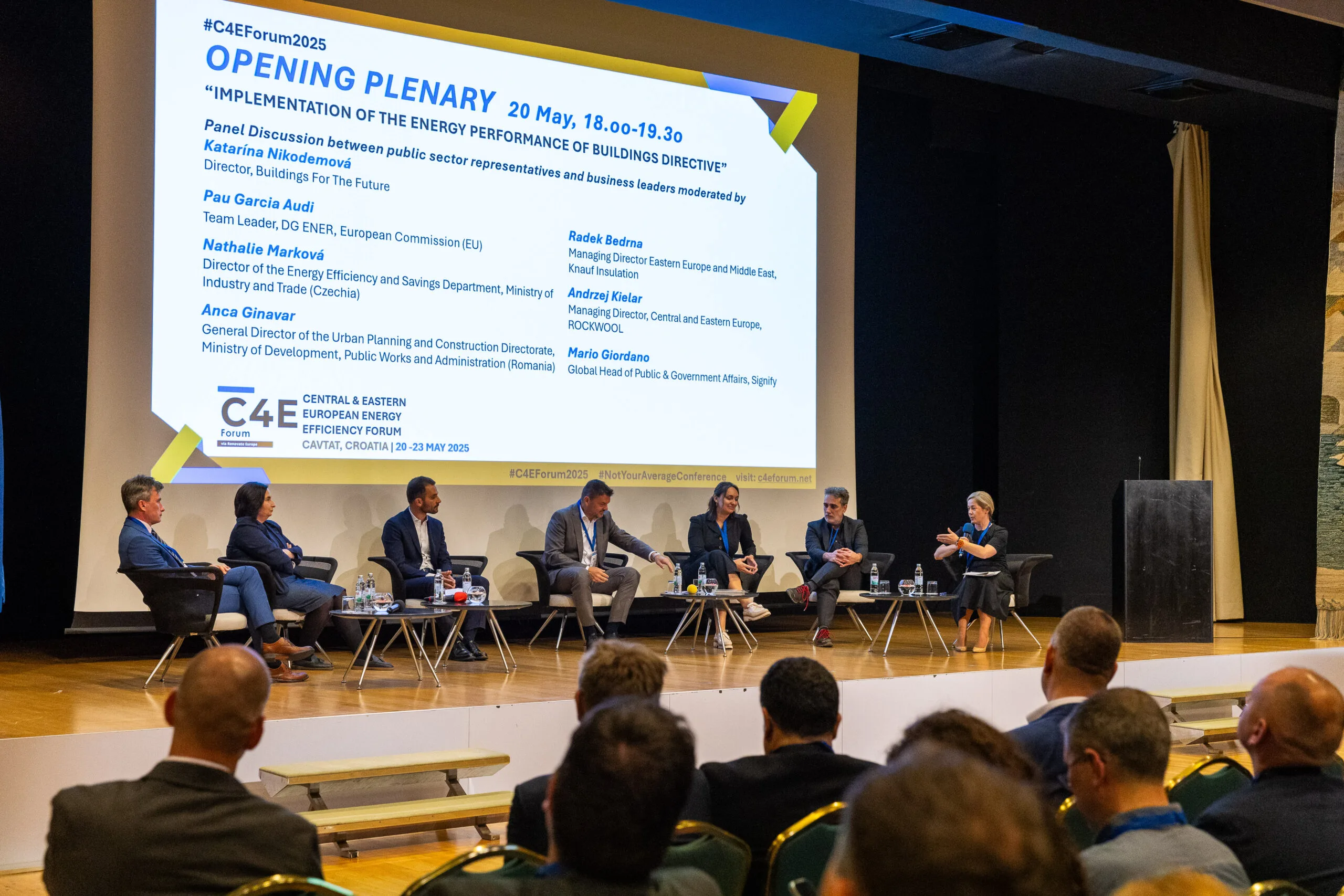
    Participants in the large panel discussion, representatives of the public and private sectors, emphasized one of the key problem – communication. Key public sector representatives joined the panel, including Pau Garcia Audi, Team Leader at DG ENER, European Commission; Nathalie Markova, Director of the Energy Efficiency and Savings Department, Ministry of Industry and Trade, Czechia; and Anca Ginavar, General Director of the Urban Planning and Construction Directorate, Ministry of Development, Public Works and Administration, Romania. They each provided national-level insights into ongoing preparations and legislative frameworks to support EPBD implementation.

    From the business sector, prominent industry leaders such as Radek Bedrna (Knauf Insulation), Andrzej Kielar (ROCKWOOL), and Mario Giordano (Signify) echoed the necessity of public-private collaboration to ensure the EPBD’s goals are met through innovation, investment, and strategic partnerships. The session was moderated by Katarína Nikodemová, Director of Buildings for the Future, who guided the discussion with a focus on actionable pathways forward.

    Representatives of the public and private sectors have emphasized several times that the goals of the EPBD are high and that they will be challenging to achieve. However, it was stated that there should be sufficient money, there is desire and it is necessary to communicate clearly with all stakeholders. It is also extremely important that citizens know and educate themselves.

    The panel discussion emphasized that cooperation between public and private partners, i.e. the public and private sectors, is necessary. Only in this way can the energy renovation of buildings be carried out as planned.

    The interlocutors agreed that it is best for each member state of the European Union to start with the energy renovation of public buildings. Namely, public buildings are large, ownership is clearer, procedures are clearer. However, what is more important, the public will see the results faster and will want to implement these procedures and examples in their buildings and homes.

    The message from the European Commission is that they are a partner to all member states, they are available to all, and together we can achieve the positive results that the EPBD ultimately brings to everyone – lower energy consumption, energy independence, lower CO2 emissions.

    Panel speakers seated on stage during C4E Forum 2025.

    Knowledge Sharing Ahead of the Main Event

    Kicking off the afternoon, attendees participated in two interactive pre-conference sessions designed to equip energy professionals with the latest tools and strategies:

    • The session titled “Turning the new Energy Efficiency Directive into an opportunity”, co-organised by ENSMOV plus, Enefirst Plus, and SEED MICAT projects, offered participants insights into publicly available resources and tools to navigate the updated Energy Efficiency Directive (EED).
    • Parallelly, the CoolLIFE Tool & Knowledge Hub Training introduced participants to innovative solutions to better integrate low-carbon cooling strategies into energy planning and policy, aligning with municipal and national climate goals.
  • C4E Champion Award 2025

    C4E Champion Award 2025

    We are excited to announce the 2nd edition of the C4E Champion Award.

    C4E Champion Award logo.

    The C4E Champion Award is organized by C4E Forum organizers to recognize the extraordinary contribution of public officials and elected local officials in Central and Eastern Europe to progressing energy efficiency policies in their country or region. The Award is organised every two years with an award ceremony at the C4E Forum.

    Key Changes in the 2025 Edition

    This year, each country will have a National Champion instead of a national nominee. Among these national winners, one will be selected as the Regional Champion. National Champions will receive a fee waiver to participate in the C4E Forum 2025, covering accommodation and meals. Renovate Europe will oversee the decision-making process for selecting the National Champions.

    The winners will be officially announced at the C4E Forum Award Ceremony on 21 May.

    For details on the rules and criteria, please refer to the Bylaws, and access the nomination form here.

    Timetable:

    • 📌 7 April – Nomination Deadline
      Final day to submit nominations.
    • 📌 14 April – National Jury Decisions
      Each country selects its National Champion.
    • 📌 21 April – Regional Jury Decision
      One Regional Champion is chosen from the national winners.
    • 🎉 21 May – C4E Forum Award Ceremony
      Winners are officially announced at the C4E Forum 2025!

    You can meet the nominees and the Champion from 2023 here.

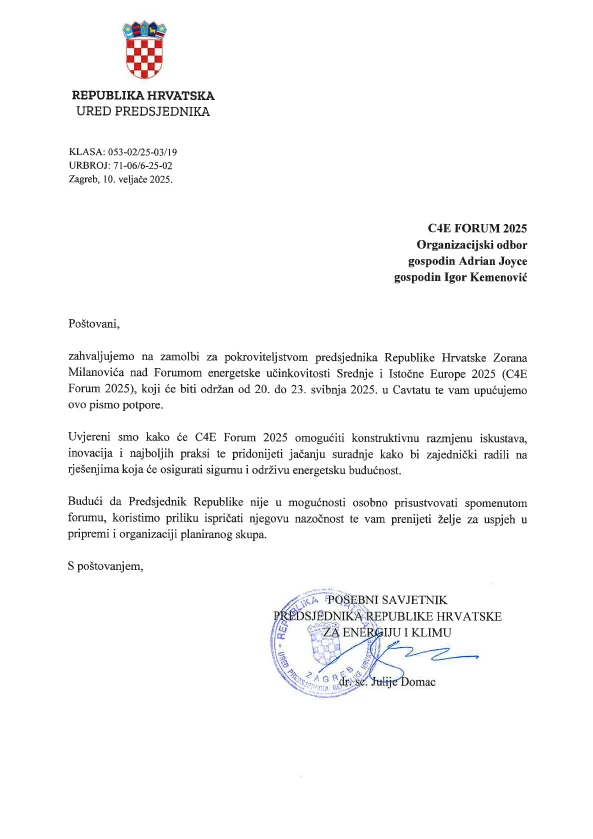
  • Support letter from the Office of the President of the Republic of Croatia

    Support letter from the Office of the President of the Republic of Croatia

    We are honoured to announce that C4E Forum 2025 has received the letter of support from the Office of the President of the Republic of Croatia. 🇭🇷

    This recognition underscores the significance of our event and its impact, and we are incredibly grateful for this support.

    As we bring together industry leaders, innovators, and changemakers, we look forward to meaningful discussions and collaborations that will drive progress.

  • We need the revised EPBD to deliver renovations and protect vulnerable households in Central and Eastern Europe

    We need the revised EPBD to deliver renovations and protect vulnerable households in Central and Eastern Europe

    As the process of revising the EU buildings directive comes to an end, the companies supportive of the CEE Advocacy Memorandum recall what is at stake and why they support the final adoption of the text by the European Parliament during its March Plenary session in Strasbourg. The CEE branches of the seven companies Daikin, Danfoss, Knauf Insulation, Rockwool, Saint-Gobain, Signify and Velux, all corporate sponsors of the 2023 C4E Forum, committed via the Memorandum to raise the profile of building renovation in public policies, in support of the EU Renovation Wave.

    4th March 2024

    Joint statement by signatories of the Energy Efficiency Advocacy Memorandum in the CEE region

    As leading providers of solutions to improve energy efficiency in buildings, we are fully committed to supporting the EU’s building renovation agenda in the CEE region. Accelerating the uptake of renovation measures relies on a good and stable mix of financing, support tools and regulations. Such acceleration also very much depends on the visibility we can get, as industry players, to invest, train, and innovate. We believe that the EU Energy Performance of Buildings Directive (EPBD) will help to increase this visibility, and this is why we call on all EU decision-makers for its smooth adoption in the next weeks.

    The Renovation Wave agenda is particularly relevant in a region where buildings built before 1989 represent over two thirds of existing buildings, and where the gap between energy consumption in buildings and the path towards climate neutrality is increasing[1]. Through reducing energy waste and integrating renewable energy, building renovation improves the energy security, the competitiveness, and the overall resilience of our economies. It is a comprehensive solution to address the economic vulnerability of households faced by energy price hikes, helping them to regain control over energy bills while enhancing health and comfort.

    Given the low rates of renovation in most CEE countries, we are aware of the challenges of delivering the Renovation Wave in the region. Representing over 42.000 employees, 100 production plants and many expansion projects in the region, our companies are fully committed to play their part in this renovation agenda. Our role is not only to deliver products, systems and services to make buildings more energy efficient, it is also to help train and upskill the workforce, develop innovative practices for renovation, and foster renovation models covering multiple technologies incl. insulation, lighting, efficient windows, heating systems such as heat pumps or district heating, and renewable energy.

    Our support for the EPBD is anchored in a common understanding that transforming renovation markets goes hand in hand with a better integration of the roles and responsibilities of industry, construction SMEs, architects, one-stop-shops, banks, managers, auditors, consumers and many others. By providing a clear direction of travel for renovating the non-residential and residential segments, while leaving flexibility to national approaches as to how this will be done, the EPBD will help overcome such market fragmentation. It will also foster greater collaboration between public and private financing entities, and encourage the deployment of more support and advice on the ground, e.g. one-stop-shops.

    In short, the EPBD will help align the investment perspective of industry with the involvement and planning capacity of those making the effort to renovate their building. Not least, it will provide a positive mid to long term outlook in a sector currently experiencing a slow-down. This is why we ask Members of the European Parliament to support the deal agreed last December on the EPBD during the Plenary vote to take place mid-March in Strasbourg.

    Logos of companies supporting the Energy Efficiency Advocacy Memorandum in the CEE region.

    [1] https://www.bpie.eu/wp-content/uploads/2023/11/EU-Buildings-Climate-Tracker_2nd-edition.pdf

    Pdf version of the joint statement is available here.

  • Energy efficiency of the building stock: basis of the sustainable energy transition

    Energy efficiency of the building stock: basis of the sustainable energy transition

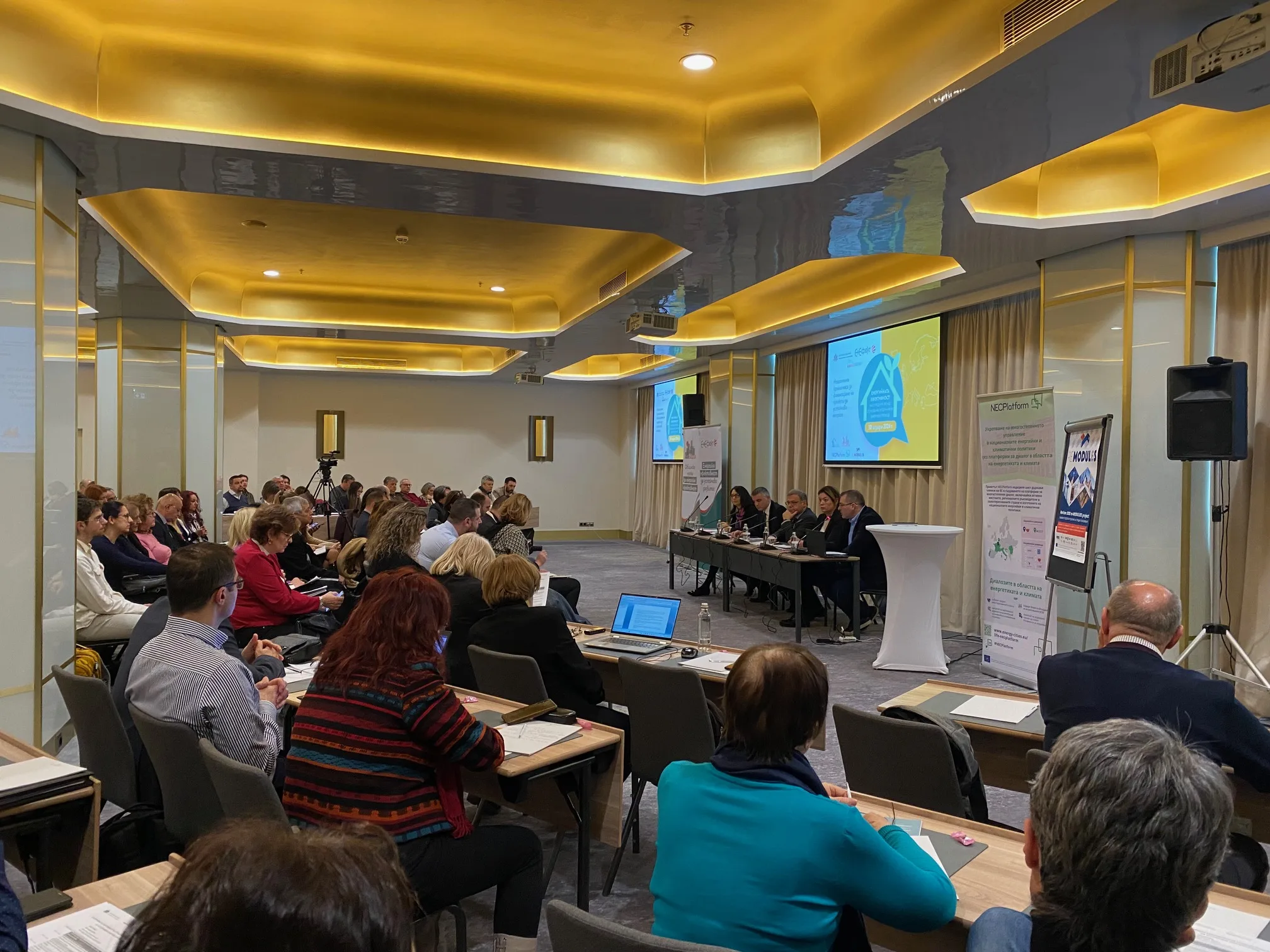
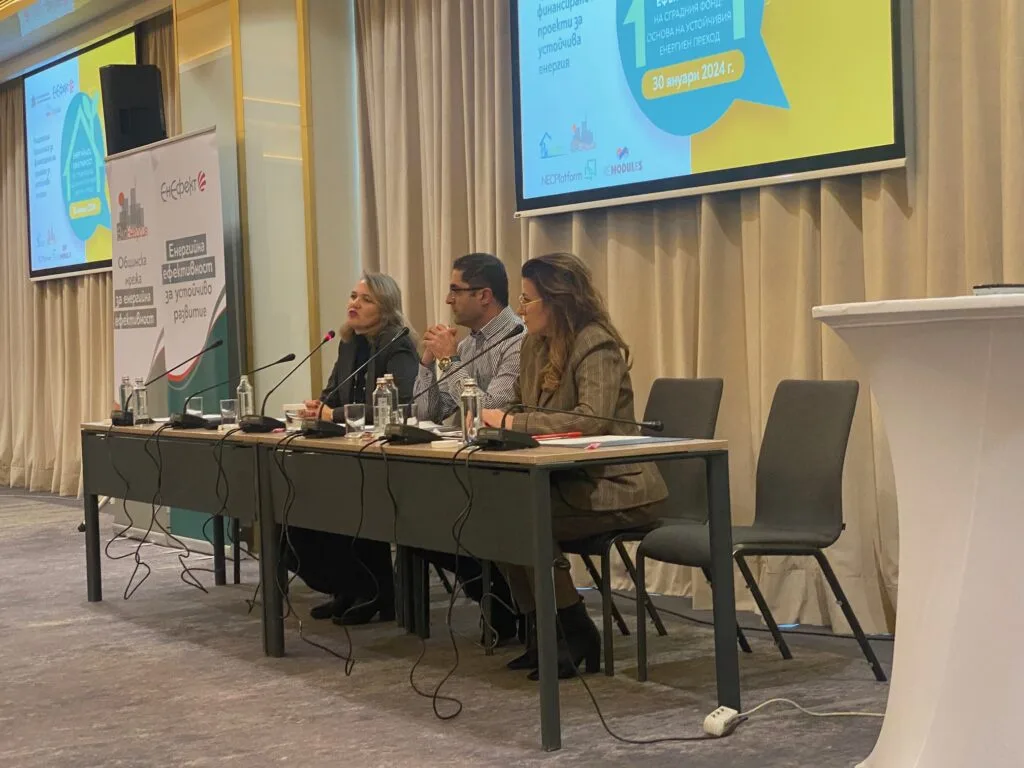
    National roundtable on financing energy renovation in Bulgaria.

    There is hope for a successful implementation of building renovation policies in Bulgaria as shown during the recent national roundtable on financing renovation in Sofia. The creation of the National Decarbonisation Fund, through changes to the Energy Efficiency Act, could provide the necessary long-term support for the renovation of residential buildings in Bulgaria.

    On January 30, in Sofia, the XII national roundtable for financing projects for sustainable energy was held on the topic “Energy Efficiency of the building stock: basis of the sustainable energy transition”. The event was organised by the Ministry of Energy and the Center for Energy Efficiency EnEffect with the support of the Renovate Bulgaria initiative.

    Special guests at the roundtable were the Minister of Environment and Water – Julian Popov, the Deputy Ministers of Energy – Iva Petrova and of Regional Development and Public Works – Angelina Boneva. MP Radoslav Rybarski, a member of the Parliamentary Committee on Energy, and others spoke at the event.

    The forum was opened by Dragomir Tzanev, Executive Director of the EnEffect Center for Energy Efficiency, and at the very beginning of the talks, emphasis was placed on the role of the National Decarbonisation Fund in the implementation of building renovation policies.

    “We have two immediate goals – to do everything possible to make the second stage of the 20% co-payment renovation program a success and to launch a permanent program as quickly as possible to enable businesses and citizens to get involved in the process without waiting for another gift from the authorities for years,” said Dragomir Tzanev. He emphasised the need for financial mechanisms to support citizens: “Without attractive credits to be paid from energy savings, we cannot expect people to accept the changes,” he summarised.

    The roundtable provided an opportunity for an open dialogue and exchange of ideas among the authorities, businesses and society, providing a platform for the constructive formulation of the country’s future energy policy.

    Participants at the national roundtable on financing energy renovation in Sofia.

    “The Ministry of Environment and Water is the institution that undertakes the coordination of decarbonisation policies. Investments for the renovation of buildings have a crucial place in them, and the lack thereof leads not only to failure to fulfill the goals, but also to social and demographic problems, which will become more and more aggravated,” added Minister Julian Popov. “The solution, apart from finding ways to attract private investment in a huge market of tens of billions of euros, is to invest more in knowledge generation and innovation projects.”

    “The National Decarbonisation Fund is embedded in the Long-Term Renovation Strategy and is a reform of the Recovery and Resilience Plan that must be implemented,” commented Deputy Minister of Energy, Iva Petrova. “Investment needs in the housing sector alone are estimated at between 3.3 and 4.5 billion euros per year, and this fund should help mobilise them through a combination of financial instruments, grants and technical assistance,” she added.

    During the event, the Deputy Minister of Regional Development and Public Works, Angelina Boneva, emphasised the need to prioritise building renovations in the activities of the Decarbonisation Fund, stressing the importance of making political decisions based on the investment needs of various sectors.

    “There is no way to achieve real results with 100 percent grant funding, the transition to co-financing schemes is inevitable,” commented Deputy Minister Boneva. “We need to find balanced solutions between a grant and a financial instrument and find options that combine renovation measures with renewable energy policies, smart buildings and energy communities,” she added.

    Speakers and participants discussing renovation finance at the Sofia roundtable.

    The participation of the financial sector in the event was also extremely active – representatives of the Association of Banks in Bulgaria, the Fund of Funds and the FLAG Fund all expressed their willingness to participate in future renovation programs. It was stated that ensuring consistency and continuity of policies and attractive conditions for all involved participants is essential to attract private investment. In order to guarantee the participation of the banking sector, it is also necessary to ensure the quality of the projects and demonstrate real results.

    In his presentation, Peter Sweatman from Climate Strategy & Partners explained how banks and other financial institutions can deliver the private capital required to renovate the EU’s buildings.

    In direct relation to this, a clear need was identified, requiring investment in knowledge and skills in the construction sector which must be ready to ensure the quality of each single project in current and future programs. This will allow to meet the expectations of citizens and the tasks of the decarbonisation process in Europe.

    About the author:

    Renovate Bulgaria, national supporting Partners of Renovate Europe Campaign (REC) – brings together organisations interested in the sustainable development of energy efficient renovation of the building stock in the Republic of Bulgaria to achieve the goals set in Directive EN 2010/31/EU on the energy performance of buildings and Directive EN 2012/ 27/ EU on energy efficiency, as well as in the Long-term national strategy to support the renovation of the national building stock of residential and non-residential buildings by 2050. The main goals are for:

    • Achieving a highly energy efficient and decarbonised building stock up to 2050;
    • Creating a stable environment for investment decisions;
    • Opportunity for consumers and businesses to make more informed choices for saving energy and money through EE renovation of the building stock.
  • Central and Eastern Europe urged to take the lead on Renovation Wave

    Central and Eastern Europe urged to take the lead on Renovation Wave

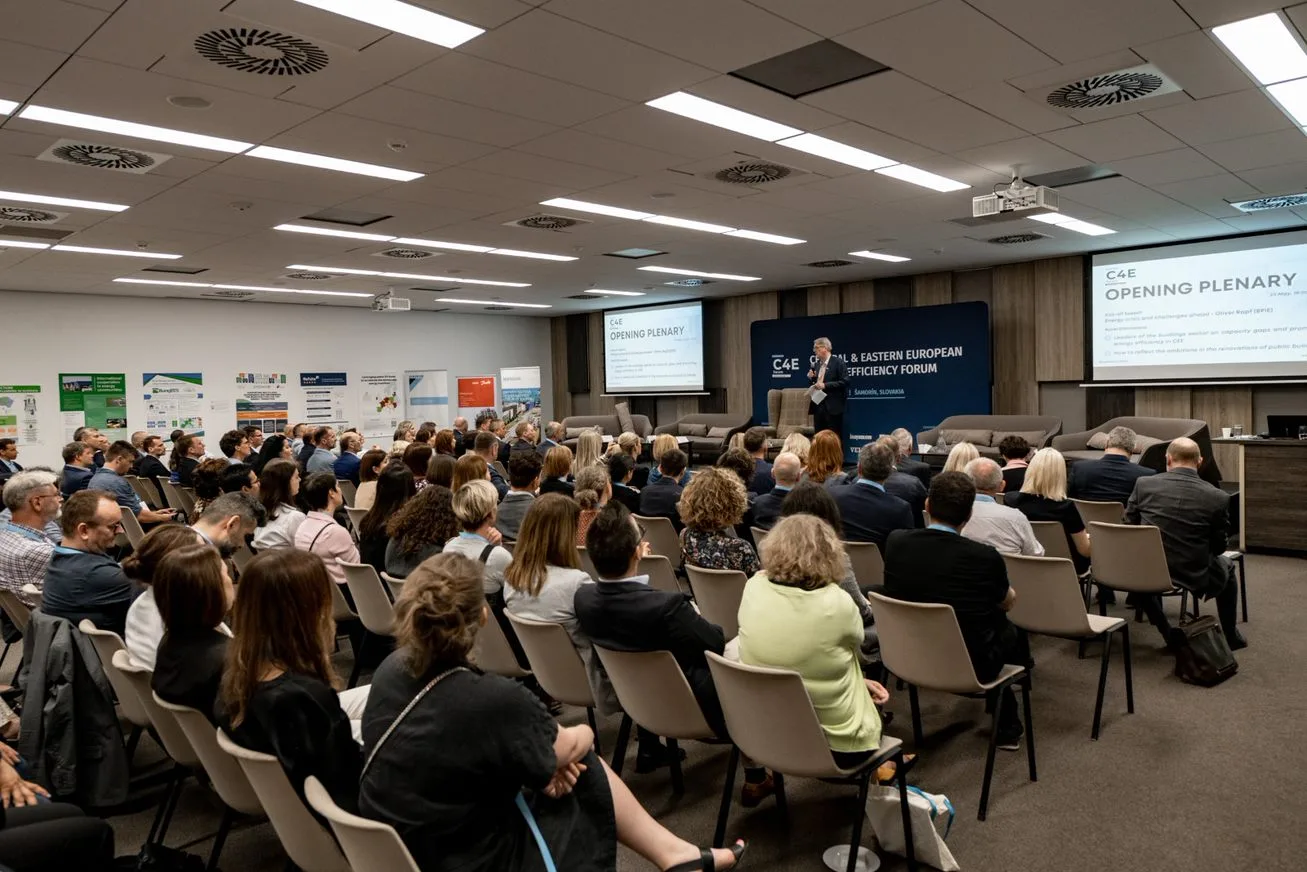
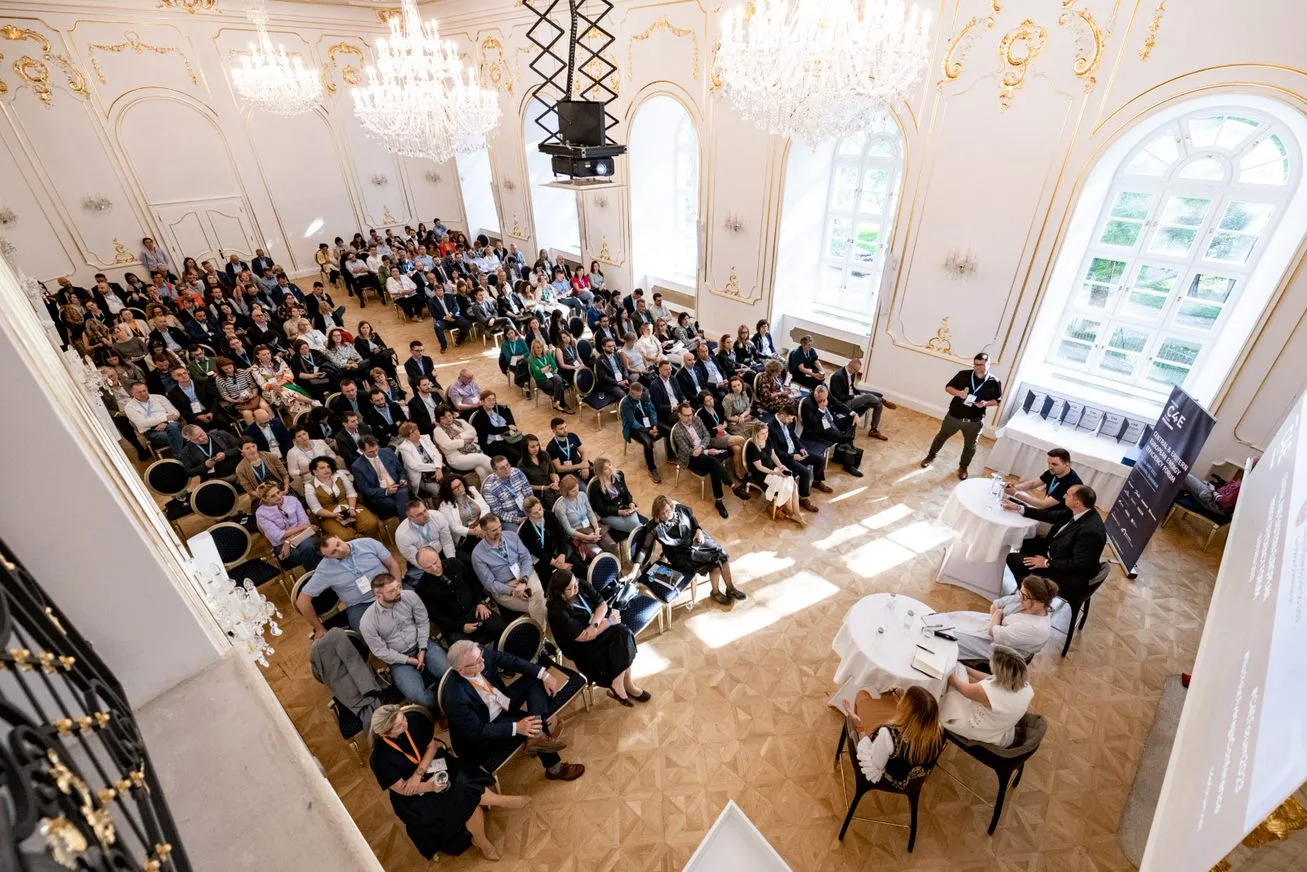
    Delegates attending the opening plenary at the C4E Forum 2023 in Slovakia.
    250 representatives of the academic, not-for-profit, private, and public sectors attended the fourth edition of the C4E Forum in Slovakia.

    Improving the energy efficiency of buildings is a neat and effective way for Europe to meet both its geopolitical and domestic targets. As demonstrated at a high-level forum in Slovakia, Central and Eastern Europe has the potential to lead the fight against leaky infrastructure.

    During the latest edition of the Central and Eastern European Energy Efficiency (C4E) Forum between 23 and 26 May, the future of Europe’s entire building sector was front and centre as delegates discussed how best to use renovations to tackle geopolitical challenges.

    The X-Bionic Hotel and conference centre in Šamorín, Slovakia, was the perfect venue for what was billed as “not your average conference”, as the sports and leisure complex is a fully renovated former sanatorium.

    A bona fide local success story that is home to the Slovakian Olympic team, the venue played host to three days of plenaries, seminars, and informal chats, all aimed at solving some of the sector’s major problems and unlocking its full potential.

    Following Russia’s illegal invasion of Ukraine, energy security has rocketed up the political agendas of governments across Europe. Even though supply-side measures have dominated policy responses, the debates at the C4E Forum demonstrated that it is now imperative to give priority to demand-side measures.

    Given that buildings soak up 40% of energy demand and produce more than a third of the EU’s emissions, improving their performance is seen as a win-win for climate, energy, foreign, and social policy goals.

    At the C4E meeting, Slovakian President Zuzana Čaputová, patron of the event, weighed in with a video message to outline how important her country considers improvements to the energy performance of buildings.

    In Slovakia, in the next few years, we will spend a huge amount of resources on rebuilding our economy and making it more resilient. The energy efficiency of our buildings is among our top priorities.

    Zuzana Čaputová

    The topics and areas of discussion ranged from high-level geopolitical considerations, such as how best to support Ukraine’s ongoing reconstruction efforts, to practical know-how that authorities can use to better design and implement renovation programmes.

    The latter includes best practices for upgrading multi-apartment buildings, tips on how to use data to maximise renovation effectiveness, and insights into how the labour market will have to evolve to meet new demand.

    Talks also centred on sharing best practices, know-how, standards, and financial aid for Ukraine’s reconstruction. Industry representatives showed a particular willingness to do more to help the invaded country.

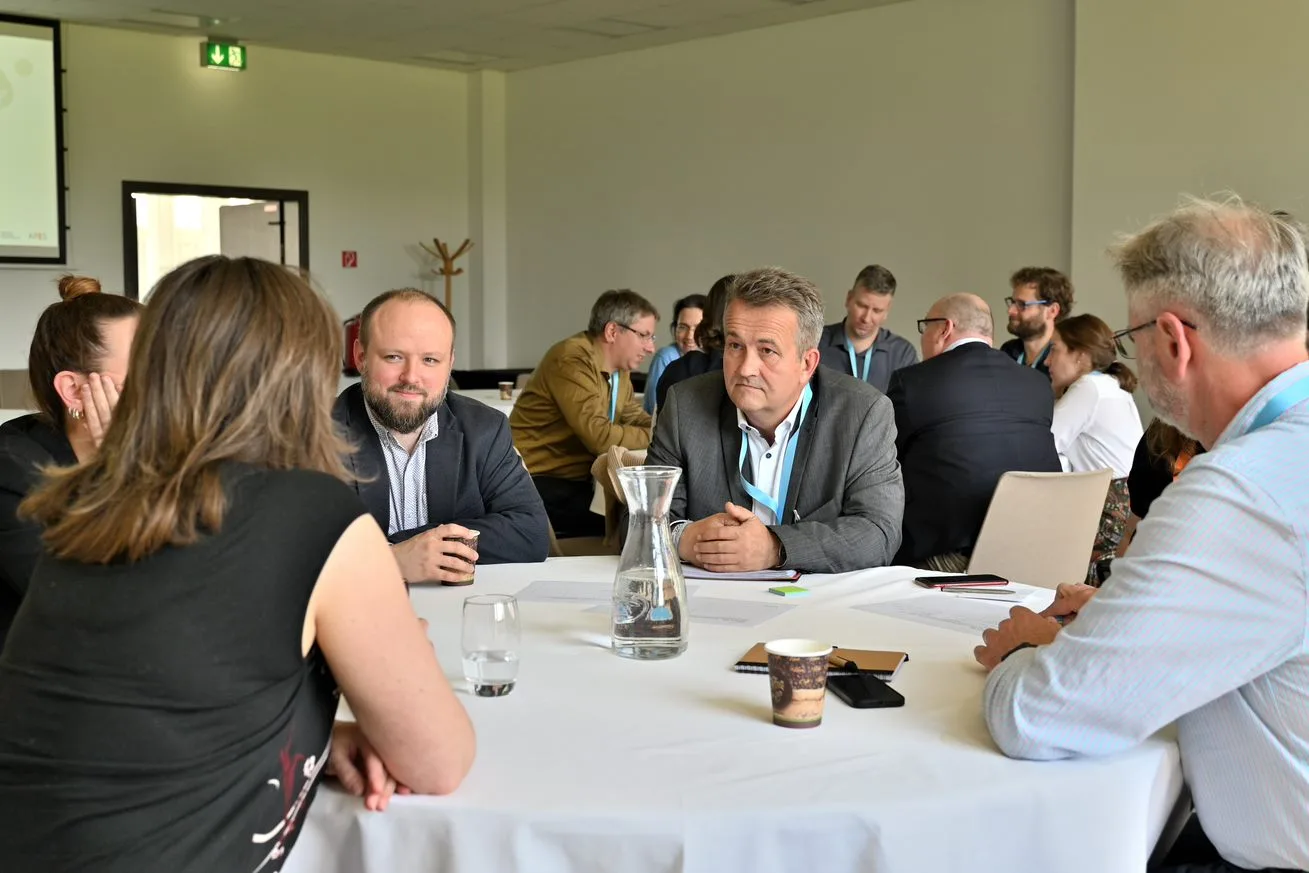
    C4E Forum 2023 participants discussing renovation policy around a table.
    C4E Forum 2023 focused on energy security, rebuilding Ukraine, REPowerEU, and the Fit for 55 package.

    Getting the politics right

    The European Union is updating the Energy Performance of Buildings Directive (EPBD), which governs much of what the sector is trying to achieve in the coming years. Talks between the European Parliament, Council, and Commission kicked off in June, shortly after the C4E Forum.

    EU-wide elections in June 2024 and Spain’s decision to trigger a snap election in July 2023, right at the start of the country’s rotating EU presidency, meant the EPBD talks risked being dragged down by electioneering.

    There was a lot of work to get through to craft a compromise deal on the EPBD, including requirements for zero-energy buildings (ZEBs), which buildings should be targeted by minimum energy performance standards (MEPS), and how to rescale energy performance certificates (EPCs).

    At the C4E Forum, delegates from industry, civil society, and academia urged policymakers to push for the maximum ambition possible in the EPBD reform and to do the same when implementing the rules.

    MEPS have the potential to be a game-changer if this instrument is properly implemented. What is important is how the worst performing buildings will be identified and what support will be available.

    Jana Bendžalová, ENBEE

    Forum attendees also urged public authorities to defuse the risk that electioneering and politicking poses to renovation programmes by ensuring schemes are long-lasting beyond government terms and renewal decisions are made well ahead of final deadlines.

    C4E Forum 2023 audience at the Pezinok castle session.
    For the first time, the C4E Forum took place in two locations. The renovated Pezinok castle hosted the controversial ideas session and the first C4E Champion Award ceremony.

    Looking after our heritage

    One of the most prevalent myths linked to the EU’s Renovation Wave concerns old heritage buildings and the supposed requirements that the EPBD would impose on those structures.

    Heritage buildings can be exempted from renovation criteria, and there are no obligations on either authorities or property owners to retrofit heritage-listed structures, contrary to misreporting that has wrongly claimed they would have to be demolished.

    Although there is no obligation, it is still possible to improve the energy performance of buildings from the past. A castle near the C4E Forum venue, in the town of Pezinok, is a testament to that.

    Originally hailing from the 13th century, the castle was rebuilt over the years and eventually purchased by local winegrowers, who added a winery and hotel to the complex. A recent renovation means it is now an A-rated building.

    The castle was also the venue for the C4E Champion Award, an accolade granted to the Central and Eastern European public official who has made the most significant contribution to energy efficiency in buildings within their jurisdiction.

    Jan Kříž, a deputy environment minister in the Czech government, was the 2023 champion, impressing the judges with his long track record of overseeing large-scale renovation programmes and ensuring an even geographical spread of renovated buildings across his country.

    Making small innovations every year rather than deep changes is the reason behind the success of our programmes.

    Jan Kříž

    The Czech official made the point during his video acceptance speech. In the job since 2007, Kříž has been able to call on vast experience when making key decisions on issues such as subsidy levels, yielding impressive results that officials in other countries have been urged to learn from.

    Crucially, Kříž has acted as a constant contact point under successive ministers, ensuring stability for renovation programmes and preventing the issue from being over-politicised, one of the most damaging risks such schemes can face.

    That was one of the main points delegates took away from the forum: renovation schemes need time to be established and start working, so they need to be designed to survive election cycles. As Europe headed into a busy voting period culminating in the June 2024 EU elections, it was a mantra worth remembering.

    Portrait of Sam Morgan.

    Written by Sam Morgan

    Sam Morgan is a Brussels-based climate and energy journalist covering the EU institutions, European politics, climate, energy, and more.

    His work has been featured in international and national media outlets, in print magazines, and on YouTube. He also has experience moderating high-level events with senior politicians and public figures.

    Visit Sam Morgan’s website or follow Sam Morgan on X.

  • Patronage over the C4E Forum 2023 by President of the Slovak republic Zuzana Čaputová

    Patronage over the C4E Forum 2023 by President of the Slovak republic Zuzana Čaputová

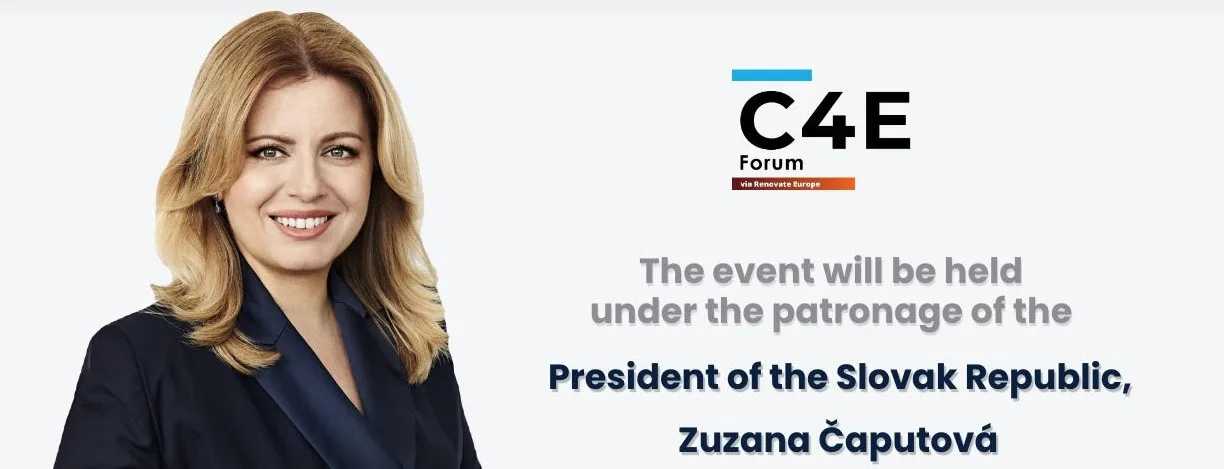
    We have the honour and pleasure to announce that President of the Slovak republic – Zuzana Čaputová has taken over the patronage of the C4E Forum 2023 which will take place in Samorin, Slovakia between 23 and 26 May 2023.

    Patronage graphic for C4E Forum 2023 featuring President Zuzana Čaputová.

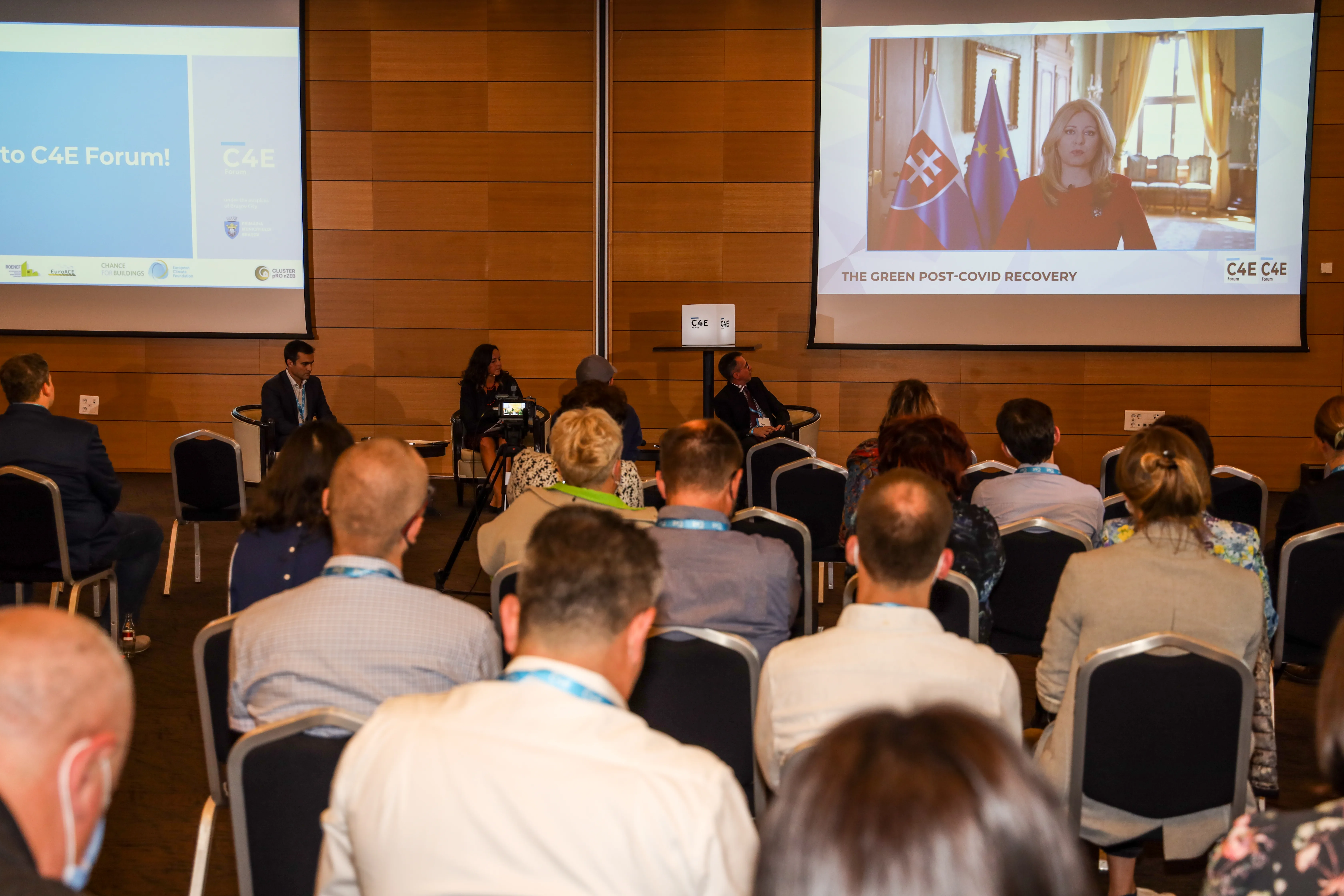
    Madam President has earlier showed her interest in the C4E Forum by recording an address for the Participants of the 2021 edition in Romania where she named energy efficiency of buildings as one of the top priorities in Slovakia. A priority that will help not only the climate (she mentioned the IPCC report showing that our human activity is changing the climate in unprecended and even irreversible way) but also economy and the citizens. This is the fact not only for Slovakia but for all the other EU countries. Therefore, she expressed her support for the Renovation Wave as 36% of Europe’s emissions come from buildings and in Slovakia this amount is 33%.

    C4E Forum audience watching President Zuzana Čaputová's recorded address.

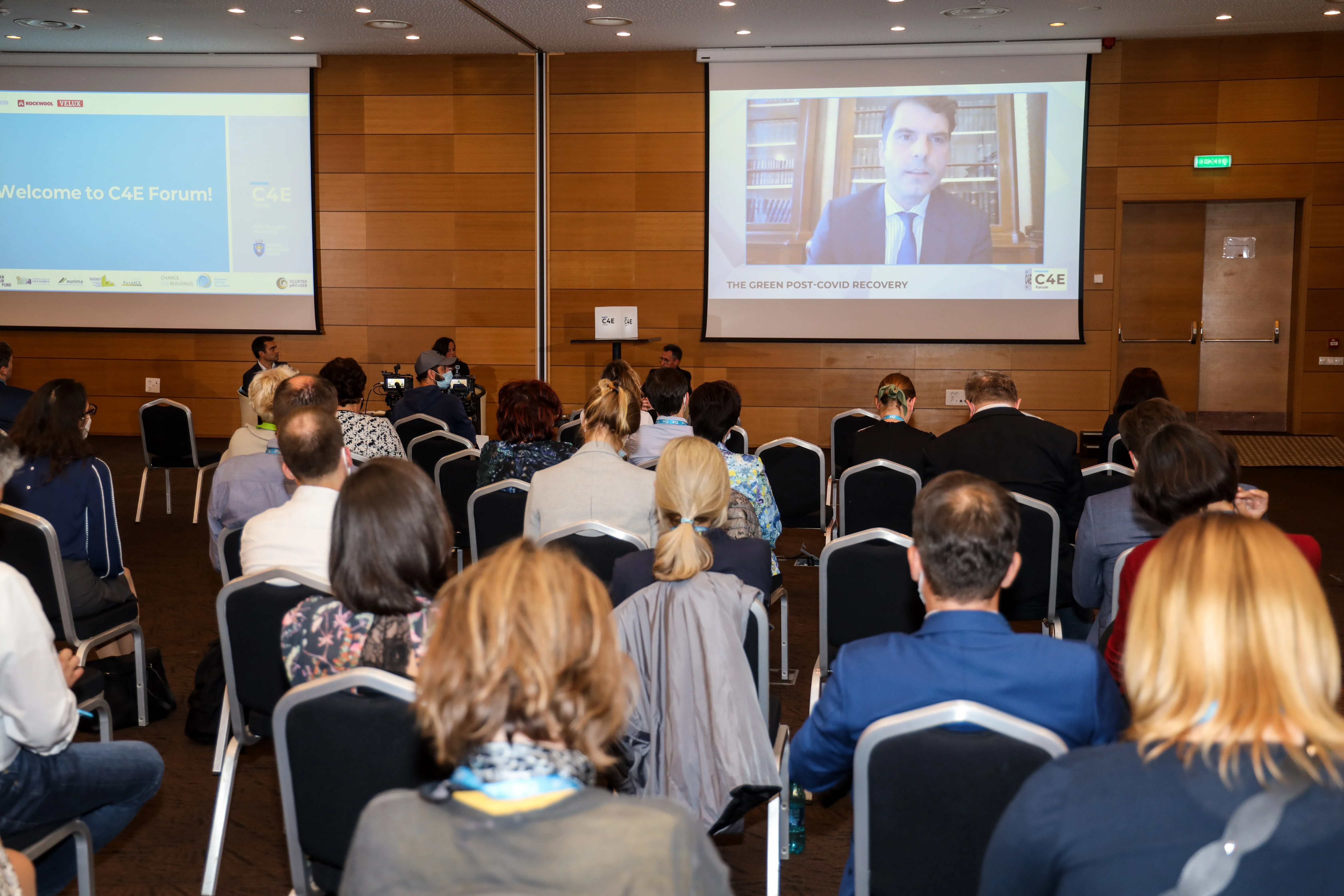
    Madame President’s advisor Norbert Kurilla has also participated online in the opening plenary where he discussed the topic of the green post-covid recovery with experts and public officials from Romania, Slovenia and the EU.

    C4E Forum audience watching an online opening plenary speaker.

    The Office of the President of the Slovak Republic perceives the climate crisis as one of great challenges of present times. The Presidential Office wants to become the first climate neutral public institution in Slovakia by 2030. In order to achieve this, it annually evaluates its carbon footprint and takes adequate measures.

    The President welcomed more than 50 non-governmental institutions at the Palace to thank them for their contribution to the society. As the energy efficiency and renewable energy sources are key areas of the scope, the Buildings for the Future was also invited to this presidential New Year’s receiving by Mrs. President Zuzana Čaputová.