Previous edition
Webinar 2020
Making the Renovation Wave work
16 October 2020
Online webinar
200+ participants
Central & Eastern European Energy Efficiency Forum
Making the Renovation Wave work
The Renovation Wave Initiative was a major topic in autumn 2020. Its details were announced by the European Commission on 14 October, and shortly afterwards C4E Forum brought EU officials and representatives from Central and Eastern Europe together to discuss how the initiative, together with Next Generation EU and recovery funding, could help increase the level of deep energy renovation across the region.
Webinar focus
EU launch context
The discussion followed the European Commission’s announcement of the Renovation Wave strategy on 14 October 2020.
CEE perspectives
Representatives from Croatia, Bulgaria, Czechia and Romania shared how renovation policy and recovery funds could work in their countries.
Community dialogue
Participants joined through questions and polls, keeping the event focused on practical barriers, funding, quality and delivery.
Speakers
EU level

Kadri Simson
European Union Commissioner for Energy

Karlis Goldstein
Energy efficiency advisor to Commissioner Simson
Central and Eastern Europe
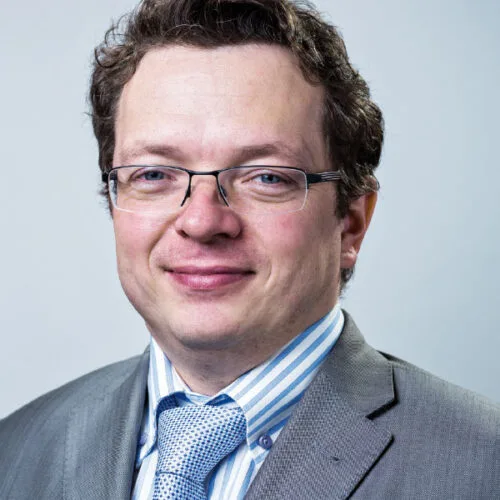
Jan Kriz
Deputy Minister of the Environment, Czech Republic

Ivo Milatic
Deputy Minister of Energy and Environment, Croatia

Dragos Pislaru
Member of the European Parliament, Romania
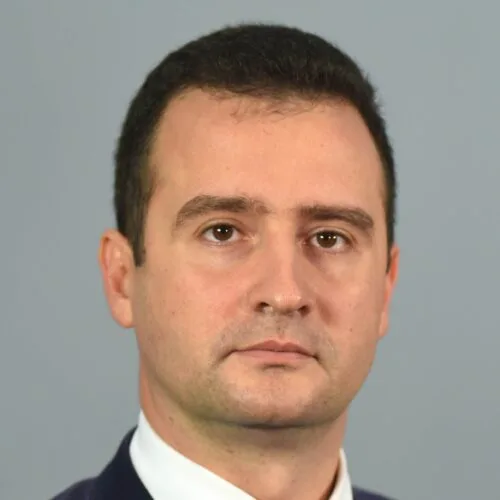
Zhecho Stankov
Deputy Minister of Energy, Bulgaria
Moderator and host

Monica Frassoni
President, EU-ASE
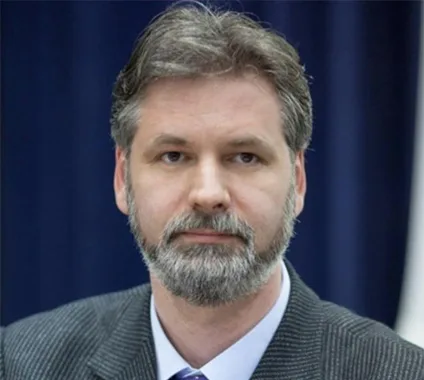
Horia Petran
C4E Forum
Programme
Session flow
- Welcome and introduction with Horia Petran and Monica Frassoni.
- Opening presentation of the Renovation Wave Initiative by Kadri Simson.
- Panel discussion: how the European Commission and member states can work together to get the Renovation Wave done.
- Questions, answers and participant poll.
- Panel discussion with Karlis Goldstein and representatives from the CEE region.
- Conclusions and closing with Monica Frassoni and Horia Petran.
Discussion questions
- What are the biggest opportunities of the Renovation Wave?
- How can the Renovation Wave help overcome renovation challenges in Central and Eastern Europe?
- How is the Renovation Wave coherent with existing European programmes such as cohesion funds and the Just Transition Fund?
Webinar partners

Webinar summary
Central and Eastern Europe and the Renovation Wave
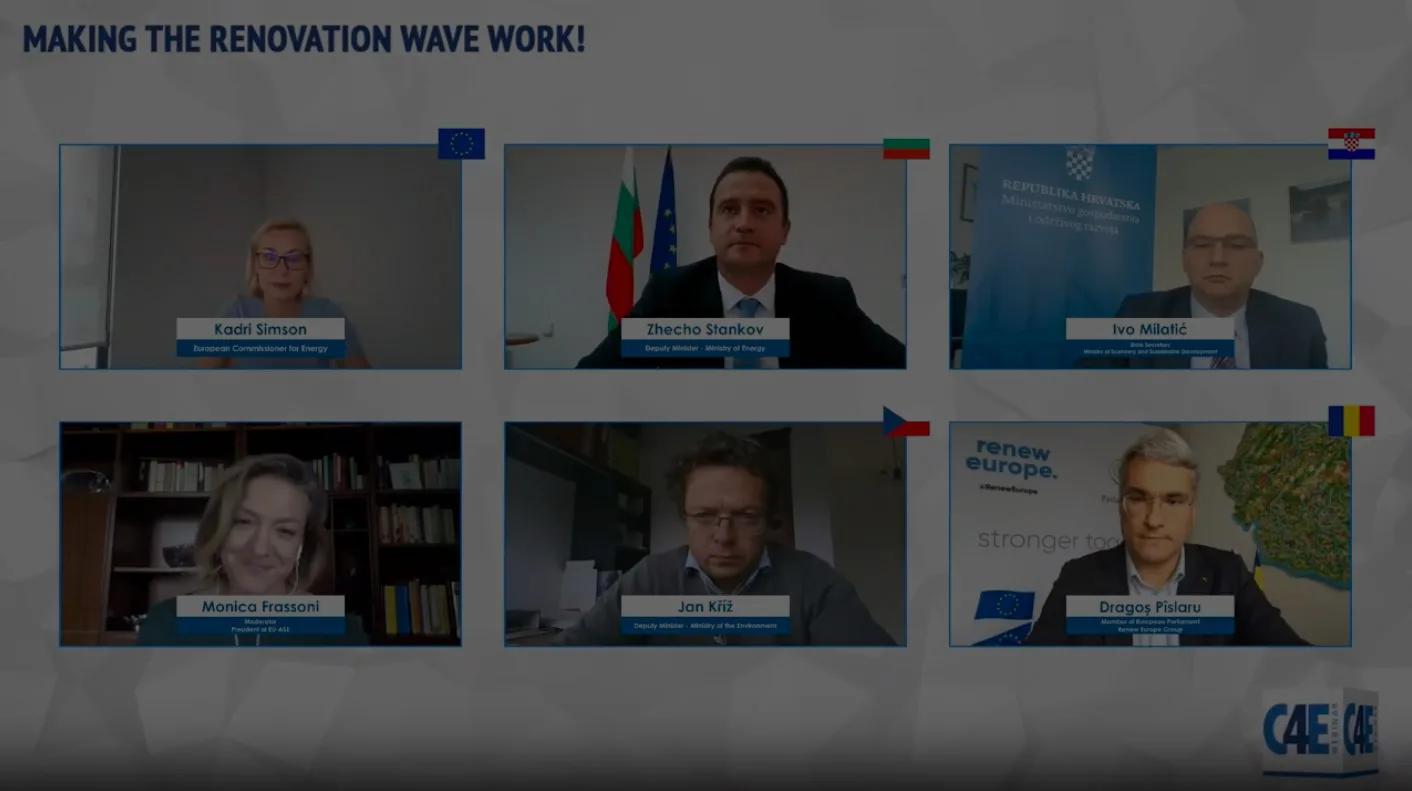
The webinar was part of the Central and Eastern European Energy Efficiency Forum 2020 edition, which combined online events with the conference planned in Romania for the following year. Just two days after the launch of the Renovation Wave Strategy, C4E welcomed over 200 participants to an energy efficiency community meeting with Commissioner Kadri Simson and official representatives responsible for energy from Croatia, Bulgaria and Czechia, along with a Member of the European Parliament from Romania.
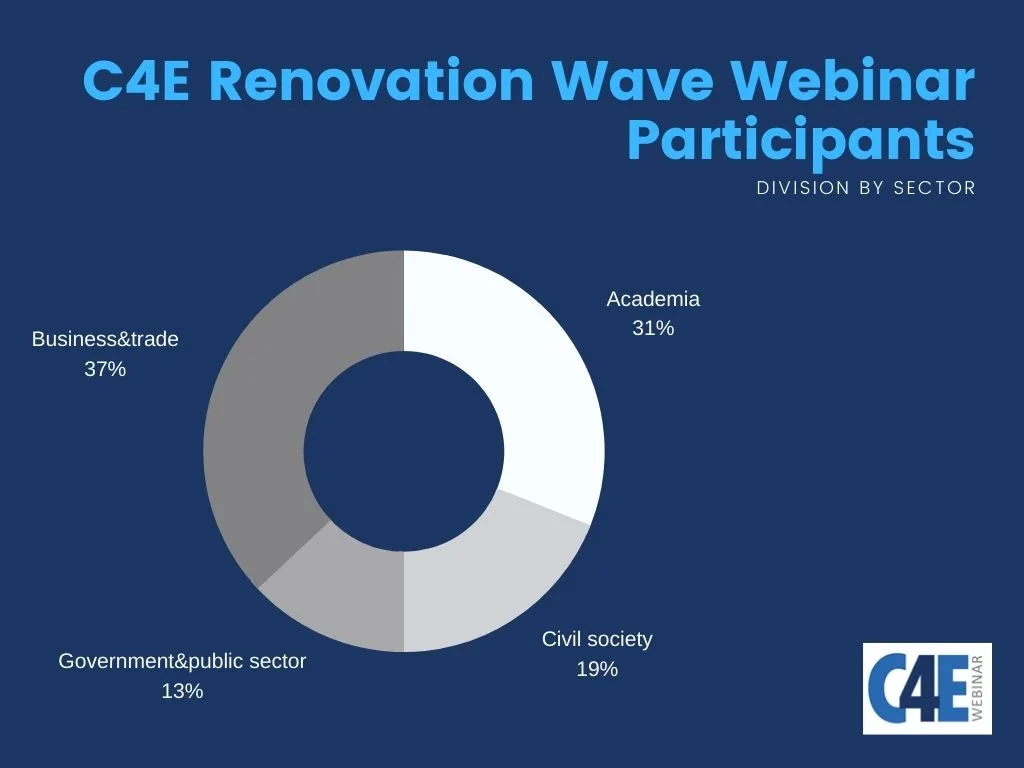
Participants came mainly from Central and Eastern Europe, with a balanced representation from academia, civil society, government and the public sector, business and trade associations. They were an active part of the conversation through polls and questions for the panelists.
Commissioner Kadri Simson introduced the Renovation Wave as an important part of the European Green Deal, the foundation of the EU Recovery Strategy and a first glimpse of what the new 55 percent emissions reduction target by 2030 means for buildings. She stressed that Europe cannot decarbonise without decarbonising buildings, and that the annual renovation rate and renovation depth need to at least double by 2030.
In the first round of reactions, the panelists welcomed the initiative as useful and timely.
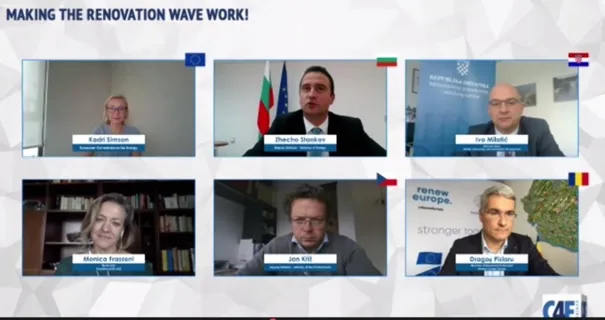
Bulgaria
Zhecho Stankov said Bulgaria wants to raise its renovation ambition and move towards a 5 percent renovation rate, building on its previous apartment-building renovation programme.
Czech Republic
Jan Kriz noted that renovation needs to become a bigger priority as new instruments arrive, including cohesion policy, the Modernisation Fund, the Recovery and Resilience Facility and the Just Transition Fund.
Romania and Croatia
Dragos Pislaru linked climate, competitiveness, innovation and social objectives, while Ivo Milatic underlined Croatia’s plan to raise its renovation rate and the challenge of workforce shortages.
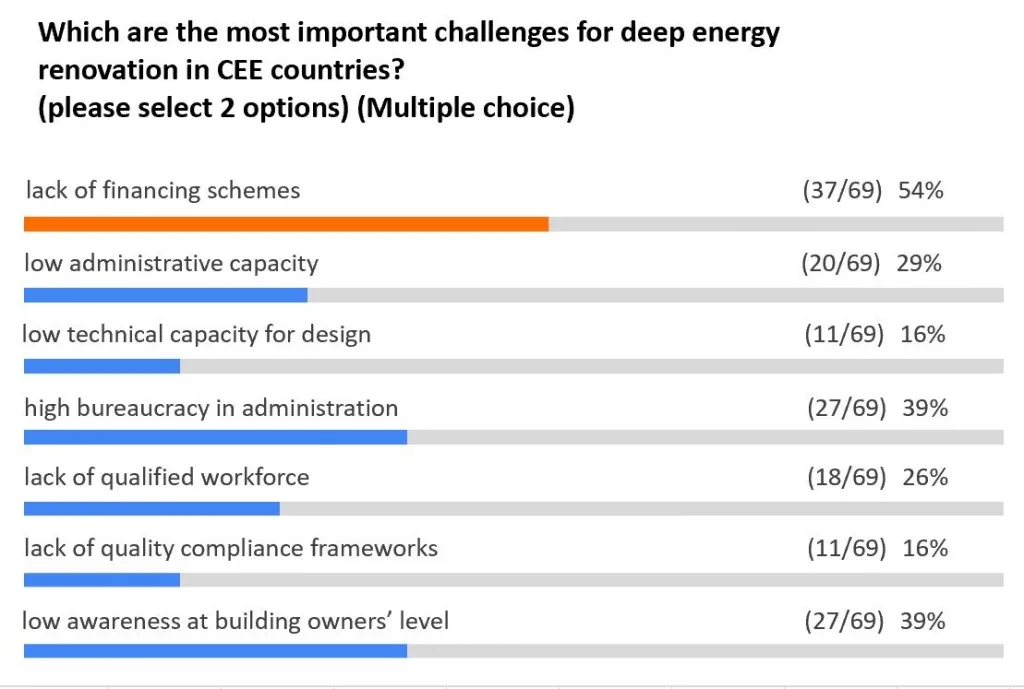
Responding to the poll, Karlis Goldstein noted that renovation is not only about the number of buildings renovated. Quality also matters, including energy savings, lifecycle emissions, resilience, safety, accessibility and aesthetics.
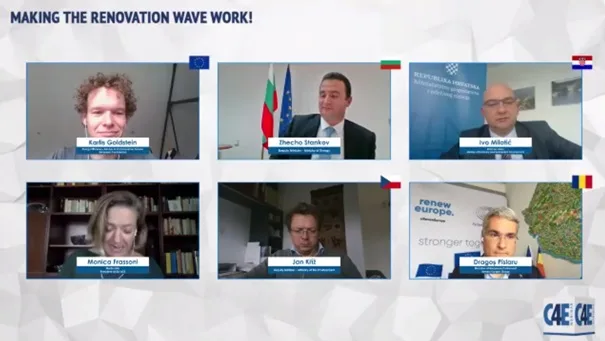
Five dilemmas for renovation policy
- Central vs local. Stronger local awareness and support for feasibility studies can help overcome slow traction at municipal level.
- Public vs private. Public leadership matters, but partnering with the private sector and creating markets is essential.
- Grants vs loans. Grants are important, but sustainable financing also needs loans, guarantees, mortgages, tax rebates and on-bill financing.
- Shallow steps vs deep renovation. Countries need to avoid fragmented renovations and communicate the long-term value of deep renovation.
- Push vs pull. Renovation policy needs integrated engagement across stakeholders, technologies and solutions.
The discussion also covered state-aid rules and cross-border certification for workers. Goldstein closed the debate with an objective the panel could agree on: renovation should become simple, easy and even enjoyable.
Recording
The webinar recording has been edited and subtitled in parts where the connection was poor.